Nutrition Advice
Creatine: The Myths, the Practical Advice, and the Data
Creatine isn’t just for bodybuilders—and for women over 50, its benefits may be particularly relevant. Dr. Jen separates fact from fiction on everything from the best form and daily dose to mixing it with coffee, while breaking down what we know about its well-established muscle benefits and the promising science emerging around brain health.
Creatine has quietly become one of the most talked-about supplements in women's (and men’s) health, and for good reason, but it's also collected a fair amount of myth along the way. Let's separate what's actually settled from what's still evolving, because both matter, and I don't think you need to choose between being evidence-based and being genuinely enthusiastic about this one.
Myth: Creatine is a bodybuilding supplement, not for women over 50
This one needs to be retired. Permanently. Creatine is one of the most extensively studied supplements available, and its relevance to women specifically increases with age, not decreases. It supports muscle strength and lean mass, both of which become more, not less, important for functional independence as we age.
Myth: Fancier forms of creatine work better
They don't, and this is genuinely one of the clearer findings in the supplement world. Creatine monohydrate remains the only form with solid evidence behind its efficacy, safety, and how well your body actually absorbs and uses it. Roughly 99% is either taken up by muscle or excreted unchanged, and it isn't broken down in digestion.
Creatine HCl is marketed as causing less bloating and having better solubility, but that claim comes from a rat model, not human outcome data, and there's no human study showing it outperforms monohydrate. A review of 17 studies on buffered, ester, and other alternative forms found no consistent benefit over monohydrate, or even over placebo in some cases, despite costing roughly double. An analysis of 175 creatine products sold on Amazon found that of the non-monohydrate forms in circulation, only 8% had third-party certification, and roughly 88% of those alternative forms had limited to no supporting evidence behind their bioavailability or efficacy claims. The practical advice is refreshingly simple: Buy plain, micronized creatine monohydrate, looking for third-party certification, like NSF or Informed Choice, or products sourced and manufactured in Europe, which typically has more stringent regulations in place compared to the US.
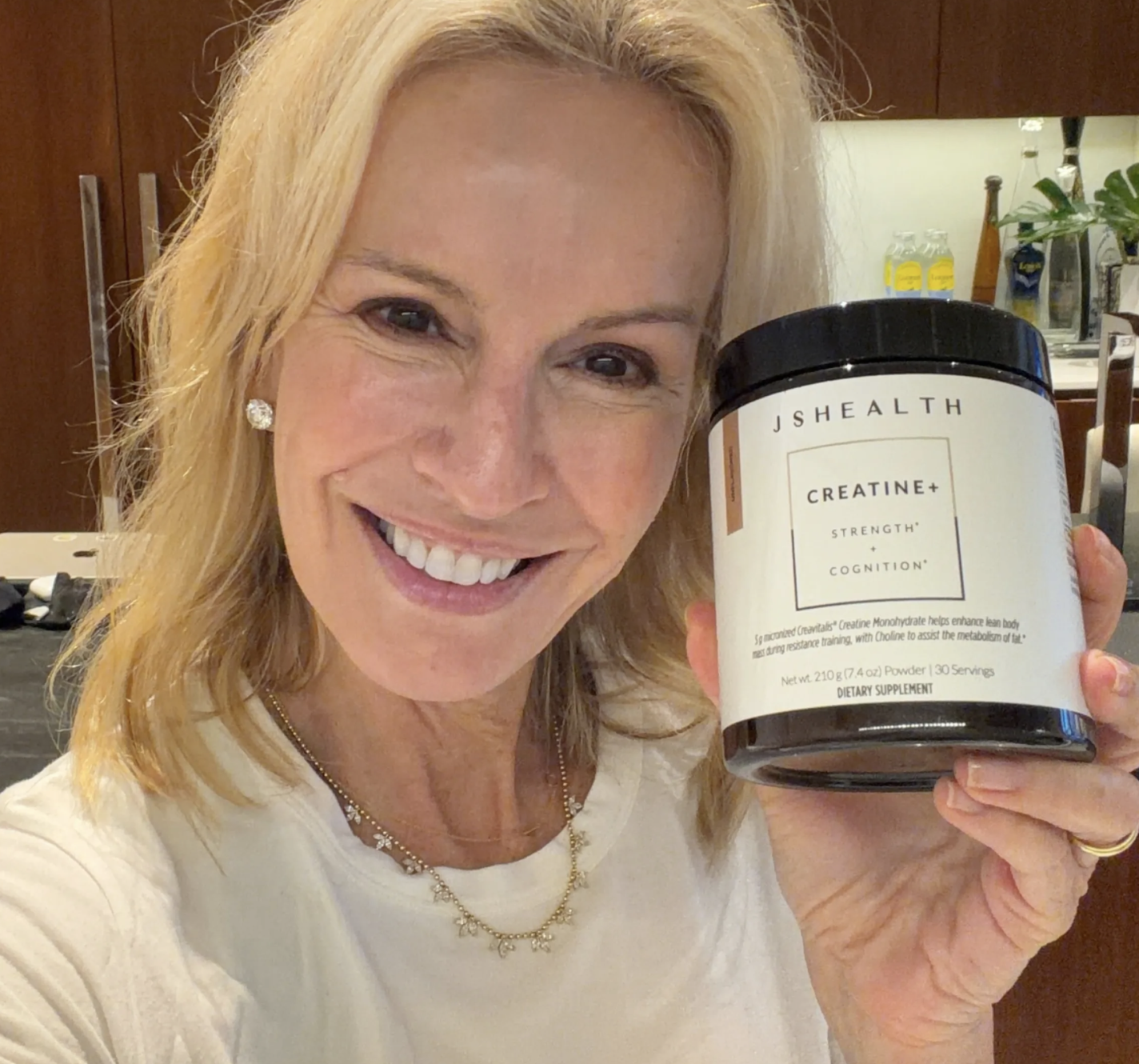
JSHealth Vitamins Creatine+ fits everything I just described. It’s built on >99.9% purity Creavitalis® creatine monohydrate, made in Germany to pharmaceutical-grade standards, and every batch is tested for heavy metals. This formula was also developed by a nutritionist, and includes 1 g of taurine and 250 mg of choline per scoop—the former may provide antioxidant support to aid in recovery, while the latter may support nervous system function and metabolism. Those are reasonable bonuses, not filler or marketing fluff.
Myth: You can't mix creatine with your coffee
The data here is more nuanced than a flat yes or no. Taking caffeine acutely, about an hour before exercise, after you've already completed a creatine loading phase, doesn't appear to interfere with creatine's effect, and was actually additive in several studies. Taking caffeine daily during the loading phase itself is where the picture gets murkier, with some studies showing blunted benefit. Interestingly, this doesn't appear to be a chemical interaction in your gut, it's more about opposing effects on muscle relaxation time, plus the practical issue of gastrointestinal upset when combining the two. The takeaway: mixing 3 to 5 g into your coffee is generally fine, but if you notice GI discomfort, separate them.
Myth: Creatine’s only benefit is building muscle
This is where the research is genuinely evolving, and where I think the most interesting story for women over 50 and 60 is unfolding. Creatine's cognitive benefits are an active, growing area of research. One meta-analysis found a notably strong effect specifically in the 66 to 76 age subgroup, and that benefit didn't depend on higher doses or longer duration, meaning even modest protocols showed real cognitive signals in this age range. A 16-week trial in adults averaging 68 years old, using just 3 g daily alongside resistance training, found creatine reduced markers of oxidative stress and inflammation and improved perceived overall health.
Here's the honest part: The doses shown to meaningfully raise muscle creatine stores, generally 3 to 5 g daily, don't appear to meaningfully raise creatine levels in the brain itself. Some researchers argue that brain creatine accretion likely requires higher doses and longer durations than the standard muscle protocol, but that optimal regimen hasn't been established yet in a properly designed trial. This is genuinely unresolved science, promising, but not finalized. Long-term safety data beyond about a year also remains limited, so I'd treat multi-year, high-dose use as an area still being actively studied rather than settled.
One practical safety note
Creatine can raise your serum creatinine level, a routine kidney function marker, without actually reflecting any kidney damage. If your doctor sees an elevated creatinine and doesn't know you're taking creatine, it can be misread as a red flag for kidney disease. Always mention it.
My bottom line
The muscle and strength benefits are well established. The cognitive and mood benefits appear real and worth genuine excitement, even while the exact optimal protocol for your brain specifically is still being worked out. I take creatine almost every day (I often mix mine in a bottle of water and drink it first thing in the morning) and encourage everyone I know who is over 50 to take it too.
If you’re looking to add creatine to your supplement routine, JSHealth Vitamins Creatine+ is genuinely worth considering. This formula offers everything you should be looking for: micronized creatine monohydrate, third-party tested for quality and purity, and a 5 g daily dose.
Take 15% off your order with code AJENDA