Nutrition Advice
Want to Lower Your Cholesterol? Prioritize These Types of Fiber
Fiber isn’t just about digestive health—it can also have a measurable impact on LDL cholesterol. Dr. Jen explains how soluble, especially viscous, fiber helps lower cholesterol, which foods provide it, and when a fiber supplement like psyllium may be worth considering.
When we talk about lowering cholesterol, most people immediately think about cutting out eggs, eating less fat, or, if the numbers are high enough, taking a statin. Fiber rarely gets top billing.
But maybe it should.
Certain types of fiber can produce a measurable reduction in LDL cholesterol
And the mechanism is actually pretty elegant. You eat the fiber, it stays largely inside the gastrointestinal tract, and there it can interfere with the recycling of bile acids, which are made from cholesterol.
Normally, bile acids are released into the intestine to help digest fat and then much of that bile gets reabsorbed and recycled. Viscous soluble fiber can trap some of those bile acids and carry them out of the body in stool. The liver then has to pull more cholesterol out of the bloodstream to make new bile acids. The end result: LDL cholesterol can come down.
This isn’t theoretical. A meta-analysis of 67 controlled trials found that consuming 2 to 10 grams of soluble fiber a day produced significant reductions in both total and LDL cholesterol. The National Lipid Association estimates that getting roughly 5 to 10 grams of soluble fiber a day can lower LDL by about 5 to 11 mg/dL, sometimes more.
Psyllium has particularly good data behind it. In one meta-analysis, about 10 grams a day lowered LDL cholesterol by approximately 7% in people with mildly to moderately elevated cholesterol who were already eating a lower-fat diet. Oat beta-glucan has enough evidence behind it that the FDA recognizes 3 grams or more a day from oats or barley as an amount associated with cholesterol lowering.
For women over 50, this becomes especially relevant because LDL cholesterol commonly rises around and after the menopausal transition. At the same time, our cardiovascular risk is shifting, even if our weight and lifestyle haven’t dramatically changed. Fiber is certainly not a substitute for medication when medication is indicated, but it’s one of those dietary tools that can actually move a number on your lipid panel.
Here’s where the type of fiber matters
Insoluble fiber is the roughage we tend to associate with bowel regularity. Think wheat bran, many vegetables, and the skins of fruits. It adds bulk to stool and helps move things through the intestine, which is incredibly important, but it’s not the star of the cholesterol story.
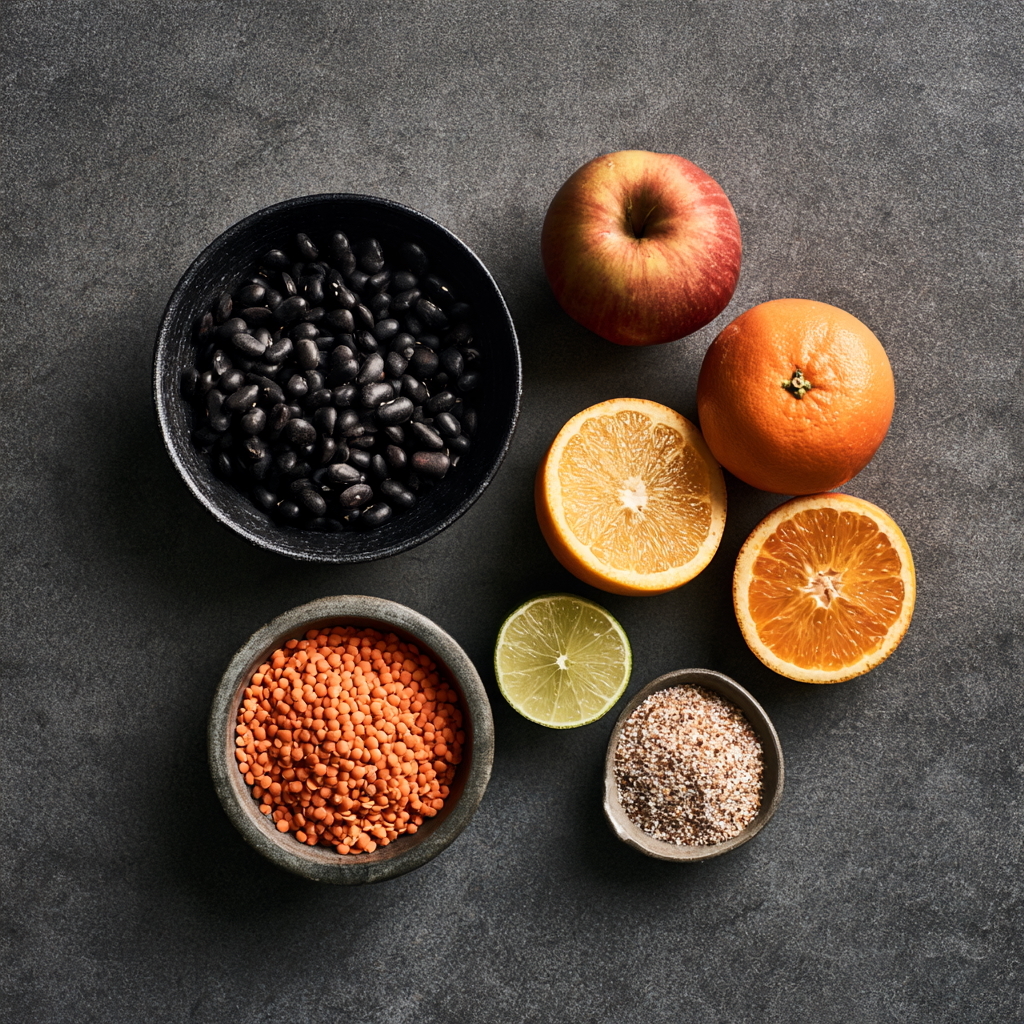
Soluble fiber absorbs water. Some forms become viscous, almost gel-like, in the intestine. Oats, barley, beans, lentils, apples, citrus fruits, and psyllium are examples. It’s this viscous soluble fiber that has the strongest direct cholesterol-lowering effect.
And then we get to fiber powders and supplements
I’m generally a food-first person because an oat bowl, beans, or lentils deliver far more than isolated fiber. You’re getting vitamins, minerals, polyphenols, and food for your microbiome along with it. The American Heart Association’s latest dietary guidance continues to emphasize a dietary pattern rich in vegetables, fruit, and whole grains rather than relying on supplements.
But psyllium is a bit of an exception in my mind because it has robust clinical evidence behind it. A plain psyllium product can be a very reasonable way to close the gap if you’re struggling to get enough soluble fiber from food.
What I would not do is assume that every powder labeled “fiber” will lower cholesterol. Inulin, wheat dextrin, methylcellulose, psyllium, and various proprietary fiber blends are not physiologically identical. “10 grams of fiber” on the label doesn’t necessarily mean 10 grams of cholesterol-lowering fiber.
My practical goal
Aim for about 30 grams of total fiber a day, with a deliberate emphasis on soluble fiber from whole foods (and perhaps psyllium if needed). Increase it gradually and drink more water as you do. Otherwise, your attempt to improve your cardiovascular health may temporarily become much more of a gastrointestinal experiment than you intended.
Fiber isn’t going to replace statins. But it also shouldn’t be dismissed as nutritional background noise. It’s one of the few things we can put on our plate every day that can improve our gut health, help regulate blood sugar, and produce an actual, measurable reduction in LDL cholesterol.
For something we used to associate mainly with constipation, that’s a pretty impressive résumé.