Healthy Living
2 Gynecologic Cancers Women Need to Know About
September is a reminder to understand the gynecologic cancers that matter most as we age. Dr. Jen breaks down endometrial and ovarian cancer, the symptoms women should never ignore, emerging prevention strategies, and why knowing your family history can make a difference.
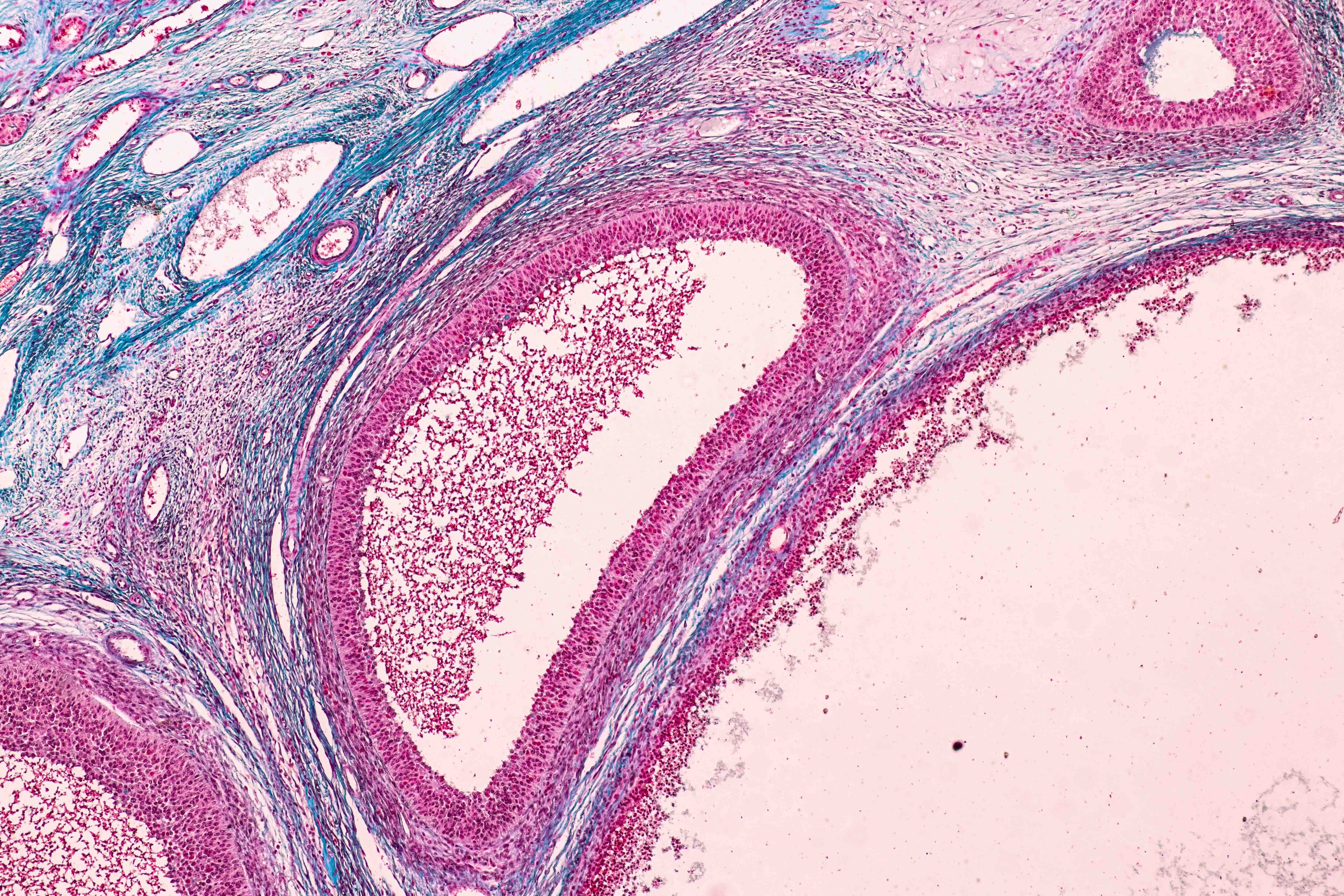
September is Gynecologic Cancer Awareness Month and Ovarian Cancer Awareness Month, so I want to focus on two cancers we need to understand better, especially for women over 50: endometrial cancer and ovarian cancer. Not because I want us walking around worried about cancer, but because there are a few things women can actually do, and a few symptoms we should never ignore.
The most common gynecologic cancer in the United States
Let’s start with endometrial cancer, which begins in the lining of the uterus. In 2026, an estimated 68,270 women will be diagnosed with uterine cancer, and an estimated 14,450 will die from it. The average age at diagnosis is around 60, making this particularly relevant to our community.
The biggest symptom I want every woman to understand is bleeding after menopause.
Any bleeding. Not just heavy bleeding. Not “I’ll see if it happens again.” If you have gone 12 months without a period and then see blood, call your gynecologist.
And there’s an important new development here. In April 2026, ACOG changed its guidance on the evaluation of postmenopausal bleeding. Previously, an ultrasound showing a thin uterine lining, generally 4 mm or less, could sometimes be enough for the initial evaluation. ACOG now recommends that most women with postmenopausal bleeding have endometrial tissue sampling, or biopsy, as part of the initial evaluation along with transvaginal ultrasound. About 90% of women diagnosed with endometrial cancer have postmenopausal bleeding, and newer evidence suggests that relying on ultrasound alone can miss some cancers.
That is a major change, and one I would absolutely ask about.
Risk factors for endometrial cancer include obesity, type 2 diabetes, metabolic syndrome, PMOS, never having been pregnant, later menopause, tamoxifen use, and exposure to estrogen without adequate progesterone in a woman who still has a uterus. Maintaining a healthy weight and improving metabolic health are two of the modifiable things we can work on.
Ovarian cancer is a different challenge
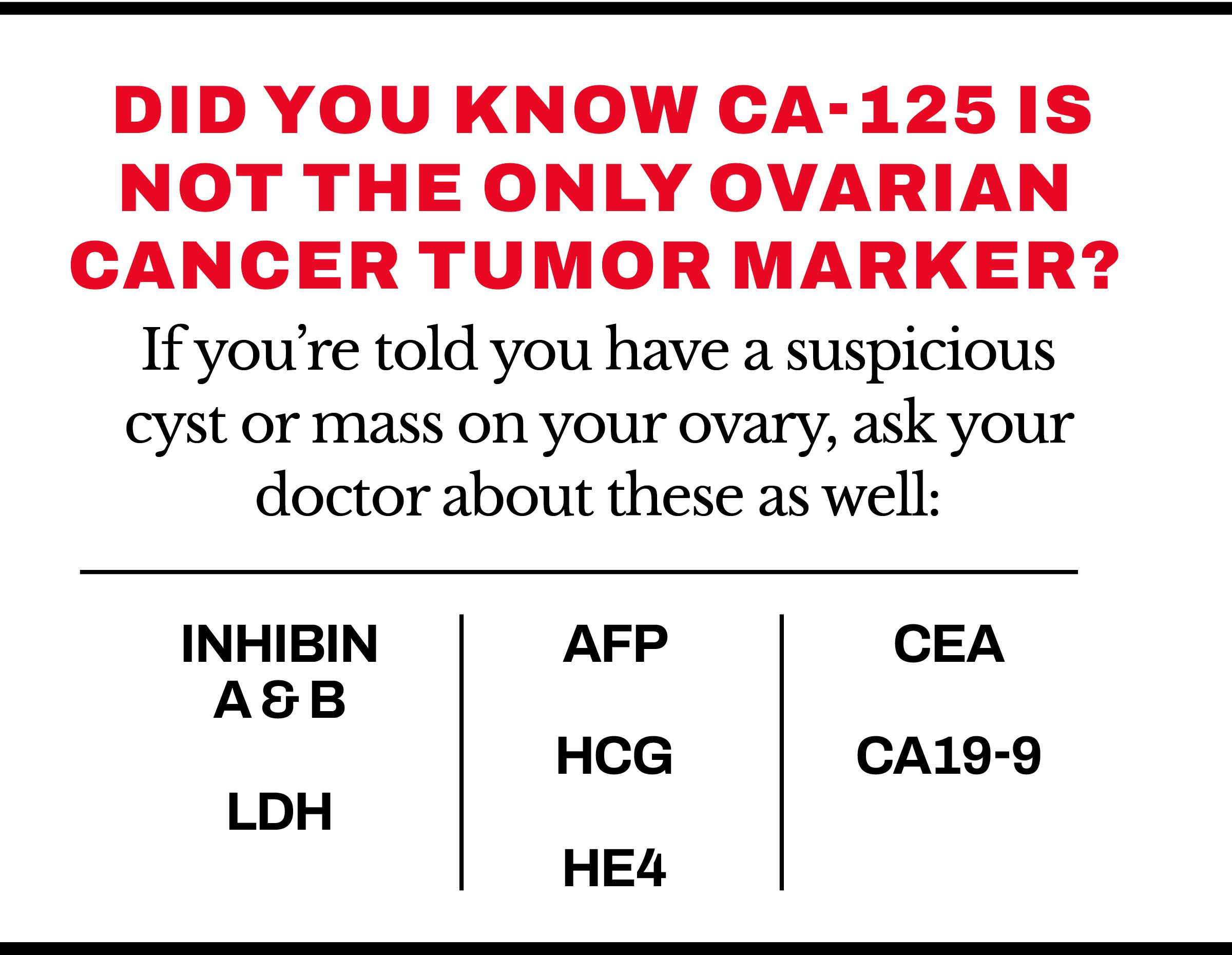
Unfortunately, we still do not have an effective screening test for average-risk, asymptomatic women. Neither CA-125 blood testing nor routine transvaginal ultrasound has been shown to reduce ovarian cancer deaths, and both can generate false positives that lead to unnecessary procedures.
In 2026, approximately 21,010 women will be diagnosed with ovarian cancer, and 12,450 will die from it. Half of women diagnosed are 63 or older, and our overall lifetime risk of ovarian cancer is 1 in 90.
The symptoms can be annoyingly vague: persistent bloating, pelvic or abdominal pressure or pain, feeling full unusually quickly, difficulty eating, urinary urgency or frequency, constipation or a noticeable change in your normal bathroom habits. The key word is new. If something is new for you, persists for a couple of weeks, and you cannot explain it, get evaluated.
Here’s another fascinating and actionable development. We have known for over 10 years that many cancers historically called “ovarian” cancer actually begin in the fallopian tubes, particularly high-grade serous cancers, the most common and deadly type. Estimates suggest that roughly 60% to 88% of high-grade serous cancers may originate there.
So if you’re having abdominal or pelvic surgery for another reason, particularly after you have completed childbearing, ask about removing your fallopian tubes while preserving your ovaries. This is called opportunistic salpingectomy. Depending on the operation, your surgeon may want a gynecologist involved. ACOG supports discussing salpingectomy during appropriate pelvic surgery because it can reduce future ovarian cancer risk without causing surgical menopause. It does not, however, eliminate ovarian cancer risk completely.
Know your family history
BRCA1 and BRCA2 are not just breast-cancer genes, and Lynch syndrome is not just about colon cancer. Both can substantially increase gynecologic cancer risk. BRCA mutations are particularly important in ovarian cancer, while Lynch syndrome can dramatically increase endometrial cancer risk and also increase ovarian cancer risk. About 3 to 5% of endometrial cancers are associated with Lynch syndrome.
If ovarian, breast, endometrial, or colorectal cancers seem to run through your family, especially at younger ages, ask whether you should see a genetic counselor and have genetic testing. This consists of a simple blood test that checks for over 30 cancer-associated genetic mutations.
September is about awareness, but awareness should lead somewhere. Know your family history. Pay attention to persistent abdominal changes. Ask about removing your fallopian tubes if you are already having appropriate surgery.
And please remember the simplest message of all: Bleeding after menopause gets evaluated. Every time.