Nutrition Advice
Berberine: Is it Ready for Primetime?
Berberine is often marketed as “nature’s Ozempic” or “nature’s metformin,” but the real science is more nuanced. Research suggests it may modestly improve blood sugar, cholesterol, and inflammation, but its effects are significantly smaller than prescription medications, and potential drug interactions are important to understand, especially for women over 50.
Berberine has exploded in popularity on social media, often called "nature's Ozempic" or "nature's metformin." But what does the published research actually show — and what should women over 50 know before trying it?
What Is Berberine?
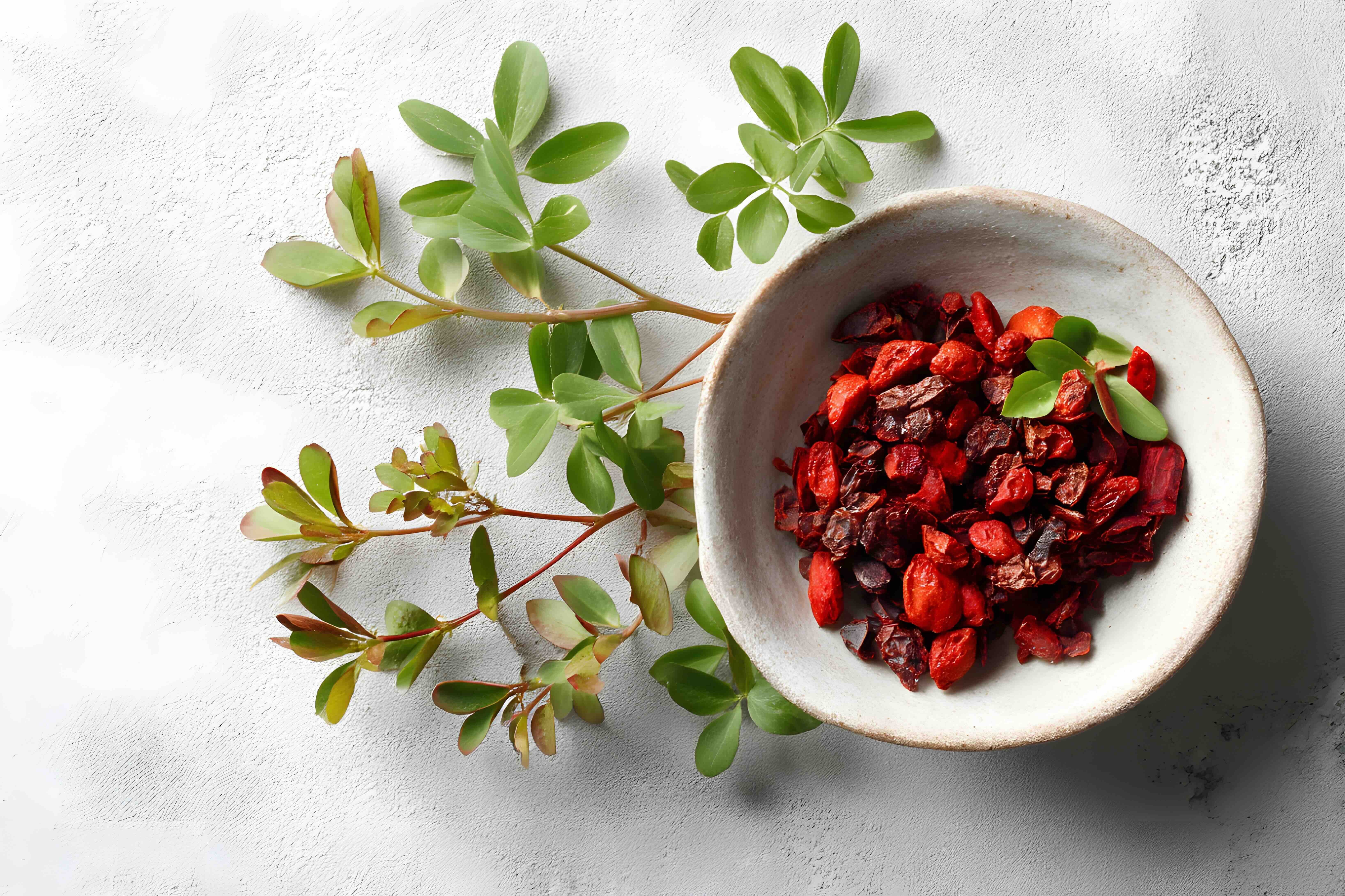
Berberine is a plant compound found in goldenseal, barberry, and Oregon grape. It has been used for centuries in traditional Chinese medicine, primarily as an antimicrobial for gut infections. Today it is sold as a dietary supplement, typically in 500 mg capsules.
What the Research Supports
The strongest evidence for berberine involves blood sugar and cholesterol. A 2023 meta-analysis of 20 randomized trials (1,761 participants) found that berberine modestly lowered fasting blood sugar, HbA1c, and insulin resistance — with potentially larger effects in women than in men. A separate 2023 meta-analysis of 18 placebo-controlled trials (1,788 participants) found that berberine reduced LDL cholesterol by about 18 mg/dL, total cholesterol by about 19 mg/dL, and triglycerides by about 30 mg/dL. Women in these studies also saw a small increase in HDL ("good") cholesterol that was not seen in men.
For weight loss, the results are more modest. A 2025 meta-analysis of 23 trials found berberine reduced body weight by less than 2 pounds and BMI by about half a point — statistically significant but far less dramatic than prescription weight-loss medications. A 2026 randomized trial published in JAMA Network Open found that berberine (1 gram daily for 6 months) did not reduce body fat in people with obesity, though it did lower LDL cholesterol and inflammation.
The Cons
Berberine is not without drawbacks. The most common side effects are gastrointestinal: diarrhea, constipation, bloating, and abdominal discomfort, reported in up to 23% of users in clinical trials. At high doses, it has been associated with low blood pressure and, rarely, cardiac effects.
Perhaps the most important concern for women over 50 — who are often on multiple medications — is drug interactions. Berberine inhibits several liver enzymes (CYP3A4, CYP2D6, CYP2C9) that metabolize common drugs. This means it can raise blood levels of statins (increasing the risk of muscle damage and cardiac toxicity), blood thinners like warfarin, certain diabetes medications like sulfonylureas, and immunosuppressants like cyclosporine. Anyone taking prescription medications should consult their doctor before starting berberine.
Additionally, berberine is a dietary supplement, meaning it is not regulated by the FDA for purity, potency, or consistency. Quality varies widely between brands.
How It Compares to Alternatives
For blood sugar control, metformin remains the gold standard — with decades of large-scale safety data and proven cardiovascular benefits that berberine lacks. For cholesterol, statins are far more potent (reducing LDL by 30–50% versus berberine's roughly 10%). For weight loss, GLP-1 receptor agonists like semaglutide produce 15–20% body weight reduction, dwarfing berberine's effect.
For women over 50 seeking evidence-based natural approaches to metabolic health, lifestyle interventions remain the most strongly supported: regular aerobic exercise (150–300 minutes per week), a Mediterranean-style diet rich in fruits, vegetables, whole grains, fish, and olive oil, and maintaining a healthy weight. Phytoestrogen-rich foods like soy (50–80 mg/day of isoflavones) have shown benefits for both menopausal symptoms and metabolic markers. And no, soy does not cause breast cancer.
The Bottom Line
Berberine has real, published evidence supporting modest improvements in blood sugar, cholesterol, and inflammation — benefits that may be particularly relevant for women. However, the effects are small compared to prescription medications, the risk of drug interactions is real, and it should never replace proven therapies for diabetes or heart disease. If you are considering berberine, talk to your doctor first — especially if you take any prescription medications.