Healthy Living
Chronic Pain Atter 50: What Actually Helps
Chronic pain is not simply an inevitable part of aging. For women over 50, hormonal changes and differences in how pain is processed may play a role, while treatment options range from topical medications and targeted prescriptions to physical therapy, exercise, mindfulness, acupuncture, and other approaches.
If you live with chronic pain, you've probably been told at least once that it's just part of getting older. I even thought that myself when I began noticing aches and pains around the time I started going through menopause. It isn't. Roughly half of chronic pain conditions are more common in women than in men, and the science is finally catching up to why.
Our biology is different, and that matters
Emerging research suggests pain in female bodies may be sustained by different mechanisms, with the immune system and hormonal shifts playing a bigger role. The abrupt estrogen drop of menopause is one reason many of us notice more pain in perimenopause. One concrete example: In a secondary analysis of migraine trials, agents like Nurtec and Ubrelvy worked for acute migraine in women, but not in men. Sex-tailored pain treatment is still more concept than protocol, but it's coming.
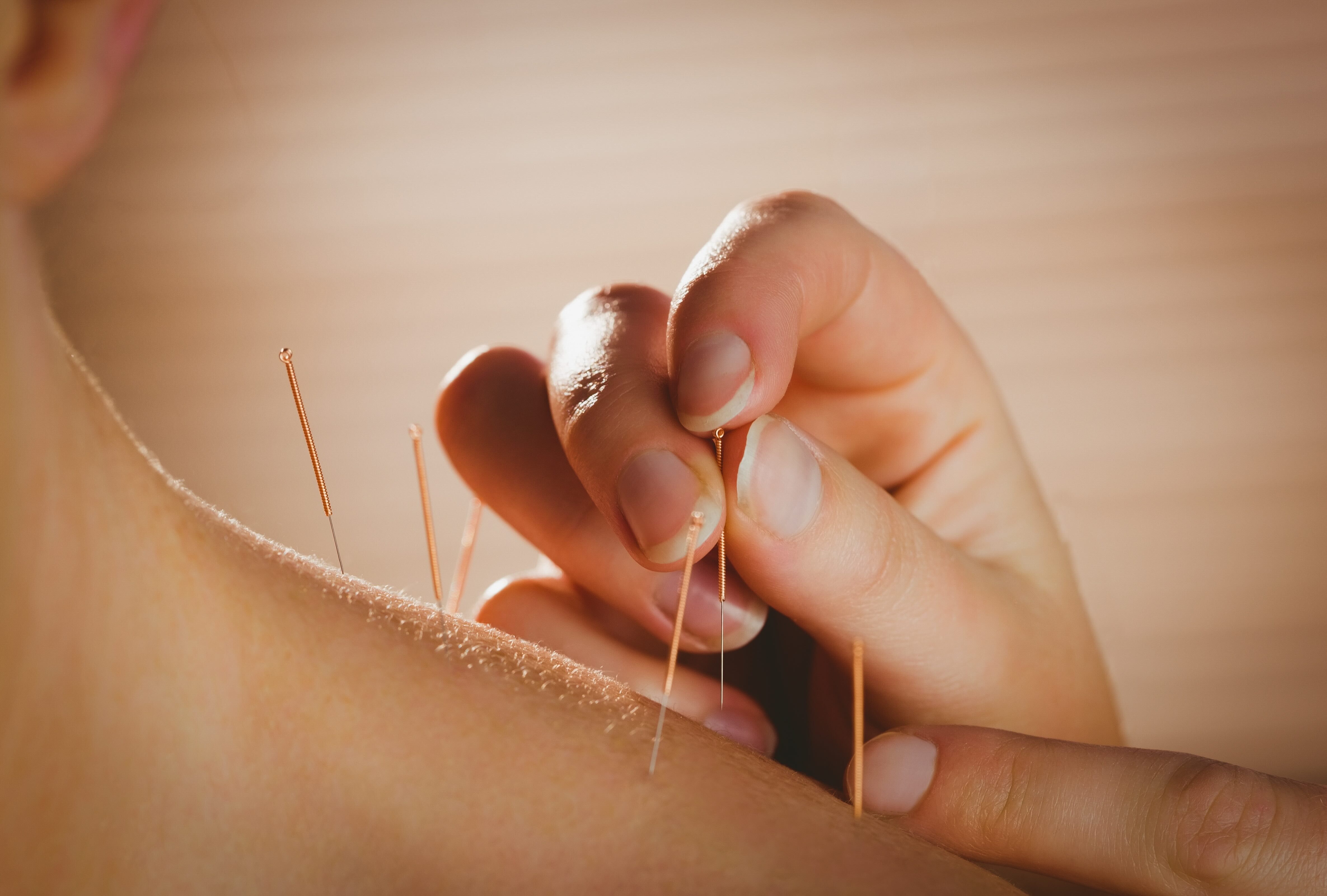
Also, in TCM (Traditional Chinese Medicine), it is generally accepted that women experience pain differently than men do, but not in the way you might think. Many acupuncturists will use thinner needles in men vs women because men actually often have a lower pain tolerance than women do (related to the need to endure childbirth). And while some data suggests women perceive greater pain than men in some conditions, our overall pain tolerance may well be higher than men’s. That's all to say, it’s complex.
Start on the skin, not in the stomach
For arthritis, the 2025 American Academy of Family Physicians review puts topical NSAIDs like diclofenac gel (Voltaren) first, because they work with far less risk to your heart, kidneys, and stomach than pills. The American Geriatrics Society's Beers Criteria advise against long-term oral NSAIDs without stomach protection, as well as older tricyclic antidepressants and muscle relaxants, all of which raise the risk of falls and confusion.
For nerve pain or fibromyalgia, duloxetine (Cymbalta) stands out because it helps across several pain types, and pregabalin (Lyrica) has the strongest evidence for fibromyalgia. Chronic low back pain is the frustrating exception. No medication offers large or lasting relief, and gabapentin and pregabalin add risk without benefit there.
Movement is first-line treatment, not a consolation prize
Every major guideline puts exercise of any kind, physical therapy, CBT or mindfulness, and acupuncture first, alone or alongside medication. I cannot emphasize enough how important I feel this is. The instinct may be to move less, but moving more is actually the way to go. Anxiety and stress amplify pain, so treating them is also treating the pain. The goal is getting your life back, not hitting zero on the one-to-ten scale. An improvement from 10 out of 10 pain to a 6 or 7 may be a real win, even though the pain is still present.
Spinal cord stimulators are an option, not a shortcut
These devices have real evidence for back and leg pain and diabetic nerve pain. But a 2021 Lancet series rated that evidence low to moderate, with benefits shrinking when compared against sham treatment. They're worth considering after conservative care has failed, ideally in consultation with a pain specialist who can walk you through this and other options.
Don't start estrogen for your joints
This one is truly unsettled. In the Women's Health Initiative, hormone therapy modestly reduced joint pain and stiffness, and a Cochrane review found a small-to-moderate improvement. Norway's HUNT study, however, linked systemic hormone therapy to more chronic low back pain. If you're taking HRT for hot flashes or bone health, joint relief may be a bonus. It’s not recommended for musculoskeletal pain alone, but it’s well-accepted that estrogen has anti-inflammatory effects, so it can have a positive effect.
Complementary approaches: as long as they are low risk, I am a big believer in trying alternative approaches such as acupuncture, hypnosis, or hyperbaric oxygen therapy. Just remember, they are often not covered by most insurance plans, may take multiple treatments to have an effect, and have variable data behind them. Also, the placebo effect is at work approximately 30% of the time, meaning that if hypnosis “cures” your pain, there is a 30% chance that’s from the suggestion of a positive outcome rather than from the hypnosis itself.
What to say to your doctor
"My pain is limiting what I can do day to day. Can we figure out what type of pain this is, and would a topical like diclofenac gel or a medication like duloxetine make sense for me? I'd also like a referral to a pain medicine specialist and a physical therapist."
Chronic pain is common, especially for women over 50, but it isn't something you simply have to accept. The options are better, and safer, than they used to be, and you deserve a doctor-partner who is committed to helping you feel better, even if it doesn’t happen overnight.