Nutrition Advice
Fiber is About to Be the New Protein, Especially for Women Over 50
Protein may still dominate the healthy-aging conversation, but fiber deserves more attention—especially for women over 50. From inflammation and gut health to cholesterol, blood sugar, and estrogen metabolism, Dr. Jen explores why getting enough fiber may be one of the most important nutrition habits to prioritize.
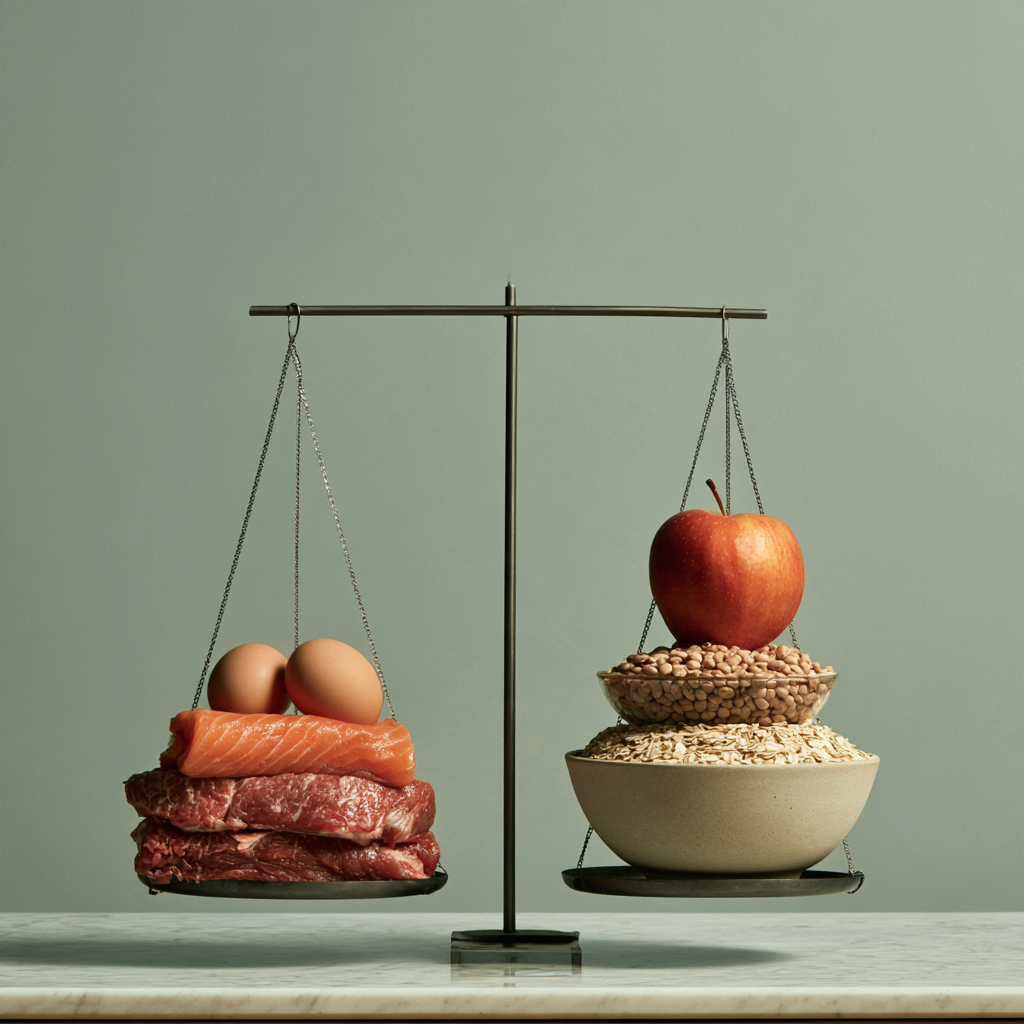
For the last several years, protein has basically owned the nutrition conversation. Protein at breakfast. Protein after a workout. Protein for muscle, bone, body composition, metabolism, and healthy aging. And to be clear, I am still very much on that train, especially for women over 50.
But I think another nutrient is about to have its moment: fiber
Yes, fiber! The nutrient most of us were taught to associate with bran muffins, constipation, and grandparents is suddenly looking much more interesting. And the reason I’m paying attention has less to do with bathroom habits and much more to do with inflammation.
Chronic, low-grade inflammation becomes increasingly concerning as we get older. It’s associated with cardiovascular disease, insulin resistance, and a long list of age-related conditions. And there’s some pretty compelling evidence that eating more fiber may help turn down that inflammatory volume.
One of the studies I find most relevant looked at nearly 2,000 postmenopausal women in the Women’s Health Initiative. Women who ate more fiber had lower levels of IL-6 and TNF-alpha receptor 2, both markers involved in systemic inflammation. Interestingly, both soluble and insoluble fiber were associated with lower inflammatory markers, which tells me this probably isn’t about finding one “perfect” type of fiber.
There’s another wrinkle I find fascinating. In a large study of older adults, fiber from whole grains and cereals had an especially strong association with lower inflammation. That means oats, barley, bran, and other intact whole grains may deserve a little more attention than they’ve been getting.
So what is fiber actually doing?
Part of the answer comes back to the gut microbiome. Some fibers are fermented by gut bacteria, which produce compounds called short-chain fatty acids. These compounds, including butyrate, appear to influence immune function and inflammatory signaling. Fiber can also improve blood sugar regulation, support a healthier gut environment, and potentially reduce some of the metabolic stresses that contribute to chronic inflammation.
Then there’s the estrogen connection
This is particularly interesting for women after menopause. Our gut bacteria play a role in how estrogen is metabolized through something called the estrobolome. Certain bacteria can reactivate estrogen that has been processed by the liver, allowing some of it to be absorbed back into the bloodstream. Fiber may change that process by speeding intestinal transit, binding some estrogen in the gut and altering the bacterial enzymes involved in estrogen recycling.
In one long-term study of postmenopausal women, a high-fiber, predominantly plant-based diet was associated with lower estradiol levels. I would not interpret that to mean fiber is some kind of natural estrogen-blocker. The science is nowhere near that simple. But the relationship between fiber, our microbiome, and hormone metabolism is one more reason I think this nutrient is far more interesting than its old reputation suggests.
Of course, fiber still does all the less glamorous things we already know about. Soluble fiber, found in foods like oats, beans, lentils, apples, and barley, can help lower LDL cholesterol and soften the rise in blood glucose after a meal. Insoluble fiber, found in whole grains, vegetables, seeds, and bran, helps provide bulk and keeps the GI tract moving. Most whole plant foods actually contain some of both.
How much fiber do you actually need?
My target for women in the Wellness Experiment is about 30 grams a day. That number can sound like a lot—until you start looking at actual food.
A cup of raspberries has about 8 grams. Half a cup of beans or lentils can give you roughly 6 to 8. Two tablespoons of chia seeds gets you close to 10. Oatmeal contributes another 4 or 5. Add vegetables, whole grains, and fruit over the course of the day, and 30 grams suddenly becomes very doable.
The easiest strategy is to stop thinking of fiber as something you “take” and start thinking about putting a meaningful source of it into every meal. Have oats, berries, chia, or ground flax at breakfast (on Instagram, I recently shared my trick to getting 10-15 grams right out of the gate in the morning). Add beans, chickpeas, or lentils to salads and soups. Choose intact whole grains more often. Eat the skin on fruits and vegetables when appropriate. Sprinkle seeds on yogurt or salads. And drink enough water as you increase your intake.
One warning from your friendly gynecologist with a master’s degree in nutrition: Don’t go from 12 grams a day to 30 tomorrow. Your GI tract will have opinions. Increase it gradually!
Protein isn’t going anywhere, nor should it. But I suspect we’re entering an era where people stop thinking about fiber simply as something that keeps them regular.
For women over 50, the much bigger story may be what fiber is doing to inflammation, our microbiome, cholesterol, glucose regulation, and even the way our bodies handle estrogen. Now THIS is a nutrition trend I can actually get behind.