Nutrition Advice
New Series: Worth It or Waste?
A new series cutting through wellness noise: what’s actually worth your money—and what’s not. First up, creatine, one of the most asked-about supplements right now.
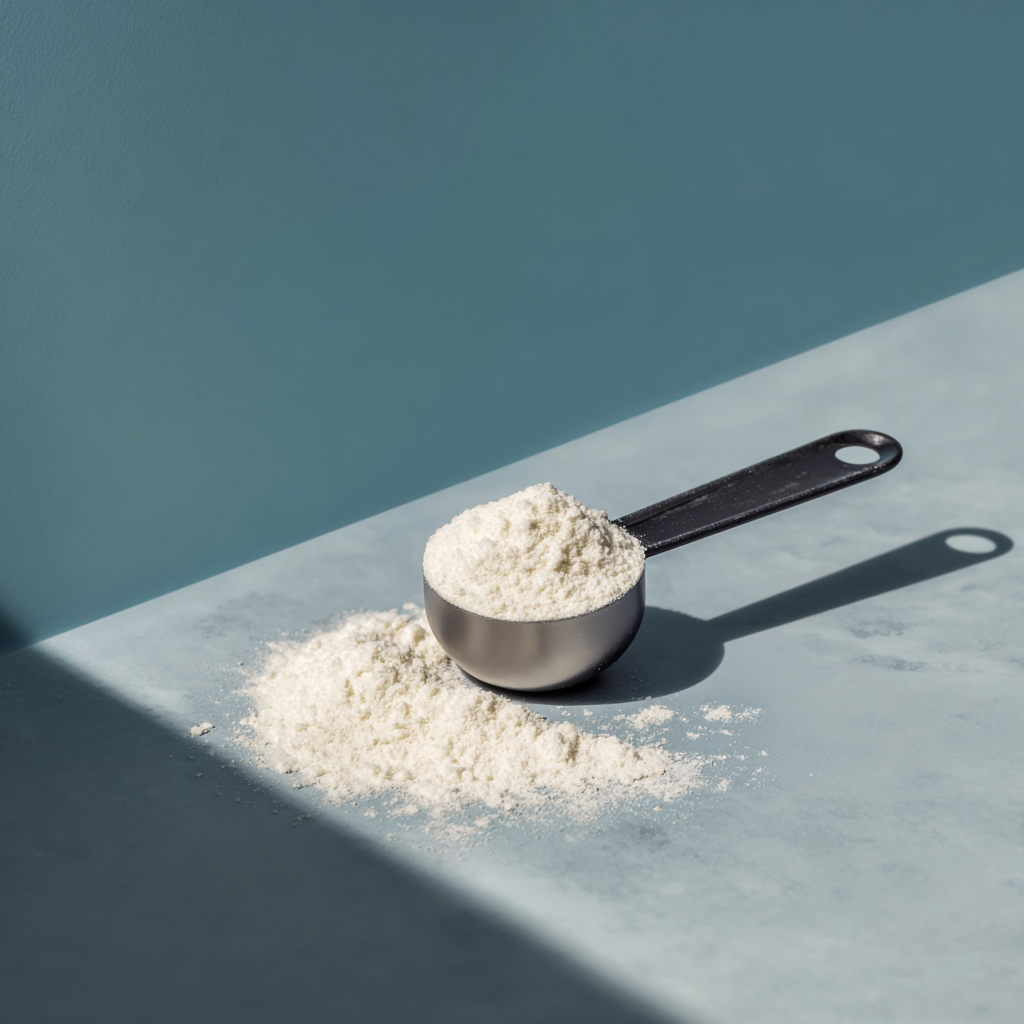
Introducing the series you've been asking for: ‘Worth it or Waste?’
I get hundreds of great questions every week. And to be honest, the one category that comes up more than almost any other isn't about a specific diagnosis, nor is it even about a specific symptom. It's some version of this: "Is this worth it? Or am I wasting my money?"
Creatine, red light therapy, collagen peptides, mushroom coffee, magnesium glycinate, GHK-Cu. The list grows every week, and so does the confusion. And here's the thing: that confusion is not your fault. The wellness industry generates billions of dollars by making women feel like they're always one product away from feeling better. They offer big promises of being “just one supplement away from sleeping through the night, and one device away from reversing ten years…” It's exhausting, and a lot of it is nonsense.
So today, I'm launching this recurring series where I cut through exactly that noise. Every installment, I'll take a product, ingredient, supplement, or wellness trend you're actually asking about, and give you the honest, evidence-based breakdown. Not what the brand says. Not what the influencer is paid to say. What the data shows, and what I actually think.
Let’s Examine Creatine
This is by far the number one supplement you’re asking about right now, and that makes sense. Creatine has migrated from gym culture into mainstream women’s wellness conversations seemingly overnight. But here’s the thing: the research behind it isn’t new at all. Let’s break it down properly.
What It Is
Creatine is a naturally occurring compound that your body synthesizes from amino acids, and you get small amounts through your diet, mainly from red meat and fish. Its central job? Energy production. Creatine helps replenish ATP, the molecule your muscles use for short bursts of intense effort. Most of your body’s creatine is stored in skeletal muscle, and supplementing increases those stores beyond what diet and your body alone provide.
What the Research Shows
Safety
Creatine monohydrate is well-tolerated in healthy adults. The most common side effect is temporary water retention, which can cause a slight increase on the scale in the first few weeks. Women with kidney disease should check with their physician before supplementing, as creatine affects creatinine levels, a key marker used to monitor kidney function.
Dosage
Most research uses 3–5 grams of creatine monohydrate per day, although emerging data suggest that higher doses may be needed to achieve the cognitive benefits associated with creatine. (I take 4-5 grams a day personally.) There’s no need for “loading” unless you’re an athlete trying to saturate stores quickly. Consistent daily use at a moderate dose achieves the same benefits over time.
Muscle Strength & Power
This is where creatine really shines. Decades of research show that when combined with resistance training, creatine improves muscle strength and lean mass more than training alone. For midlife women, this is crucial. From age 30-70, we lose about 1-2 percent of muscle every year in a process called sarcopenia. Preserving muscle isn’t just about aesthetics; it’s essential for metabolic health, vitality, and maintaining independence.
Bone Health
Emerging research suggests creatine may support bone resorption when paired with exercise. The data is promising, though more studies are needed before we can draw firm conclusions.
Cognitive Function
Small trials have indicated that daily creatine supplementation helps combat perimenopausal symptoms such as brain fog, accelerates cognitive processing, and improves mood stability. While it’s not a cure, the early evidence is very intriguing.
The Verdict: Worth It, With Specifics
If you are doing resistance training, creatine monohydrate is one of the few supplements I can confidently say is backed by strong evidence for midlife women. The muscle-preserving and potential cognitive benefits align perfectly with what this stage of life demands.
If you’re not yet strength training, creatine is not a substitute. Prioritize establishing a resistance routine first, then add creatine as a supporting tool.
One practical note: Quality matters. Stick to creatine monohydrate, not “fancy” forms like creatine HCl or ethyl ester, which haven’t shown superior results in research. Look for brands that use third-party testing. I personally recommend Thorne*, which has been independently tested for heavy metals and comes back clean. NSF Certified for Sport or Informed Sport certification is a good benchmark for any brand you consider.
As always, run this by your physician if you have kidney concerns or take medications that affect renal function (though your doctor may not be current on the extensive creatine literature, sadly).