Healthy Living
Heart and Hormones: What My Best Friend the Cardiologist Wants You to Know
Menopause doesn't cause heart disease, but it does speed it up. Drawing on her podcast conversation with cardiologist Dr. Jenn Haythe, Dr. Jen explains what changes during the transition, why timing matters, and which numbers to ask your doctor to check, including kidney function.
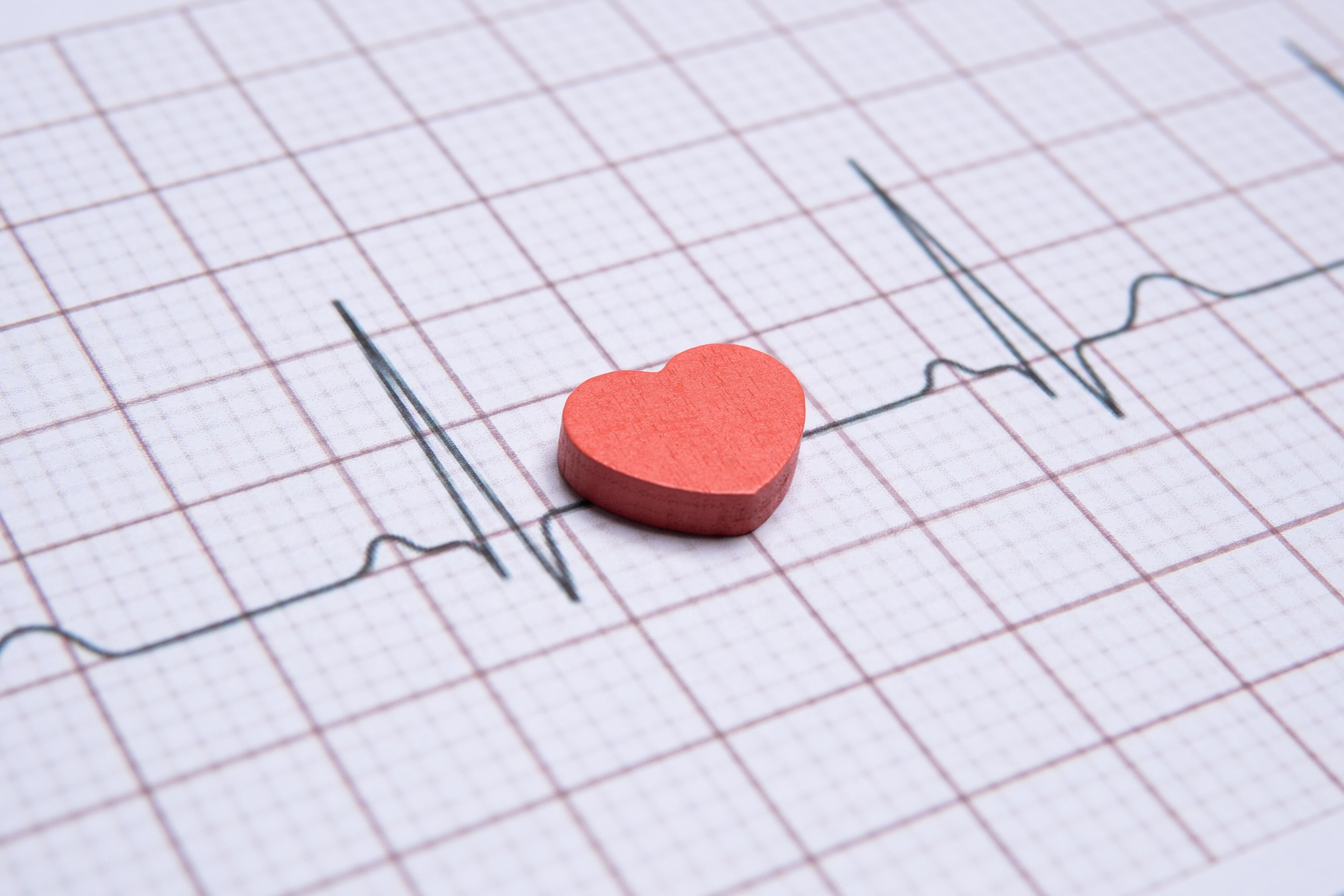
Up to 40% of a woman’s life happens after menopause. I’ll let that sink in, because it certainly stopped me in my tracks, and I was kind of psyched about it. This means that midlife isn’t a winding-down. It’s a turning point, and a pretty important one for your heart. Since we can reasonably expect to live into our 80s, 90s, and maybe (gulp) beyond, we need to take advantage of every opportunity to be proactive and holistic about our health. For me, that means connecting the dots between our hormonal health and our cardiovascular and metabolic health.
Menopause doesn’t cause heart disease—but it does speed it up
Dr. Jenn Haythe is a cardiologist, one of my best friends, and the guest on this week’s episode of my podcast, Dear Dr. Jen. As she knows, and as we discuss in that episode, heart disease risk has been building for years, and menopause accelerates it. That’s why most women’s first heart attacks and strokes happen after menopause, even in women who’ve never had a single cardiac issue before or look, on the surface, like they are at low risk of heart disease.
Here’s what changes during the transition:
- LDL cholesterol can rise
- Insulin resistance increases
- Muscle mass declines
- Weight can creep up
- A recent study found that one in four women may develop atrial fibrillation, an irregular heart rhythm
Timing matters too
Early menopause, meaning your last period comes before age 45, is linked to higher heart disease risk. Family history, smoking, socioeconomic factors, and race and ethnicity all influence when menopause arrives. Many Black and Hispanic women reach it earlier.
Then there’s perimenopause, the stage that can start two to eight years before menopause, sometimes as early as your mid-30s. Recently published data shows that hormones and biomarkers can start to change 15 years before official menopause! So from potentially mid-30s on, symptoms tend to increase: hot flashes, poor sleep, brain fog, mood changes, joint pain, palpitations. Those symptoms aren’t just uncomfortable. When you’re exhausted and achy, it’s a lot harder to exercise, eat well, and sleep, which are the very habits that protect your heart. If symptoms are getting in the way, tell your doctor. This can help guard against a snowball effect head to toe during this critical time.
So what can you actually do?
This transition is loaded with significance, but it’s also filled with opportunity. We have the chance to be proactive now, instead of reactive in the future. For right now, know your numbers, and ask your doctor to check:
- Blood pressure
- Cholesterol, including particle size (not just number)
- Weight and waist circumference
- Hemoglobin A1C, C-reactive protein
- Kidney function
That last one is new. A recent American Heart Association statement says kidney health belongs in this conversation, because kidney disease is a major driver of heart disease and stroke, and it’s often diagnosed late in women.
My husband and I were proud to support new AHA materials and a new curriculum to help cardiologists, OB-GYNs, and other physicians who care for women in midlife catch these risks sooner. This way, we can all be on the same page when we talk about menopause, hormones, heart health, heart disease, and prevention. But no one knows your body like you do. There’s no one-size-fits-all plan here, just your plan. Start the conversation now.
And for more info on your heart, listen to the latest episode of my podcast. Out today!
Related link: LISTEN NOW