Healthy Living
The Breast Cancer Risk Hiding in Your Drink
Breast cancer risk is more nuanced than many of us have been led to believe. Dr. Jen breaks down the relationship between alcohol and breast cancer, what the latest hormone therapy guidance means, why family history doesn’t automatically rule out HRT, and how knowing your personal risk can help you make more informed decisions about screening and prevention
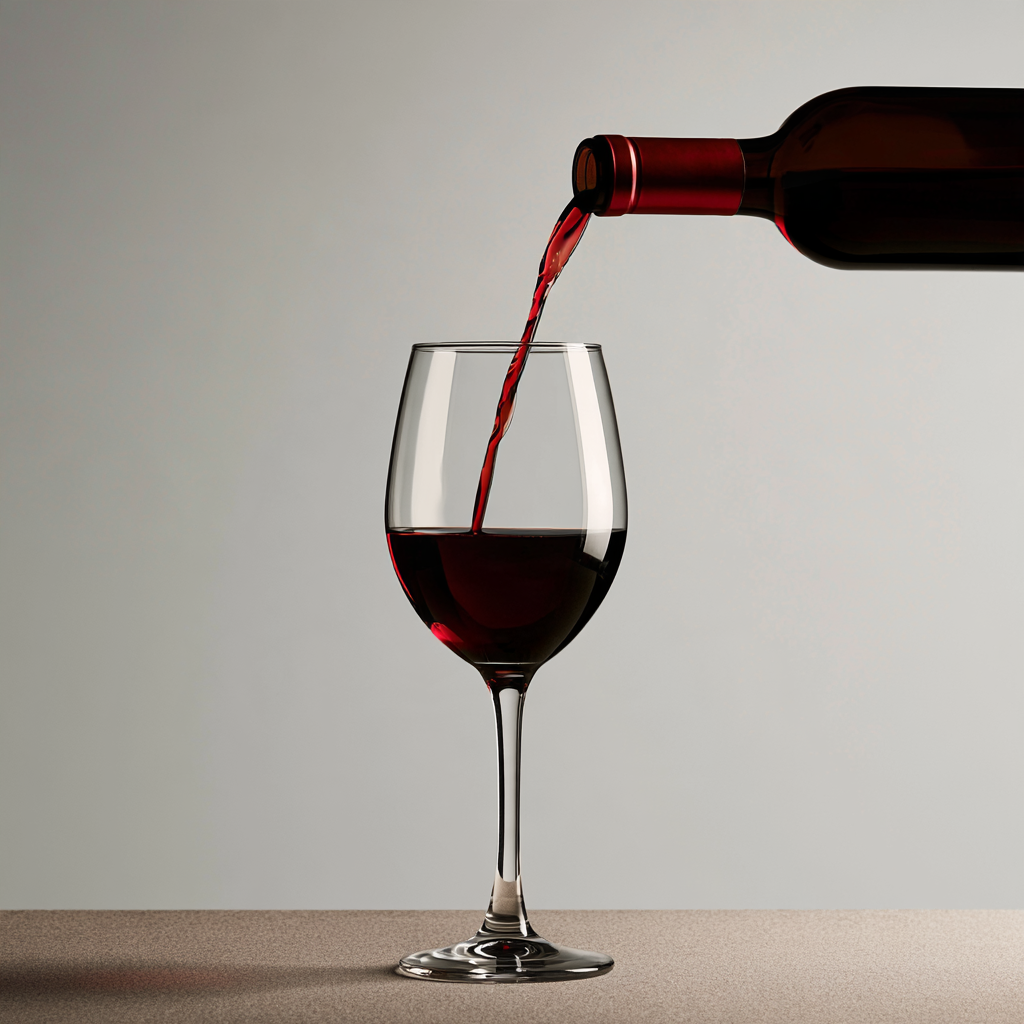
If you've avoided hormone therapy because you're afraid of breast cancer but have a glass of wine most nights, this one's for you. For years we've worried about the wrong thing.
Alcohol is a bigger risk than most of us realize
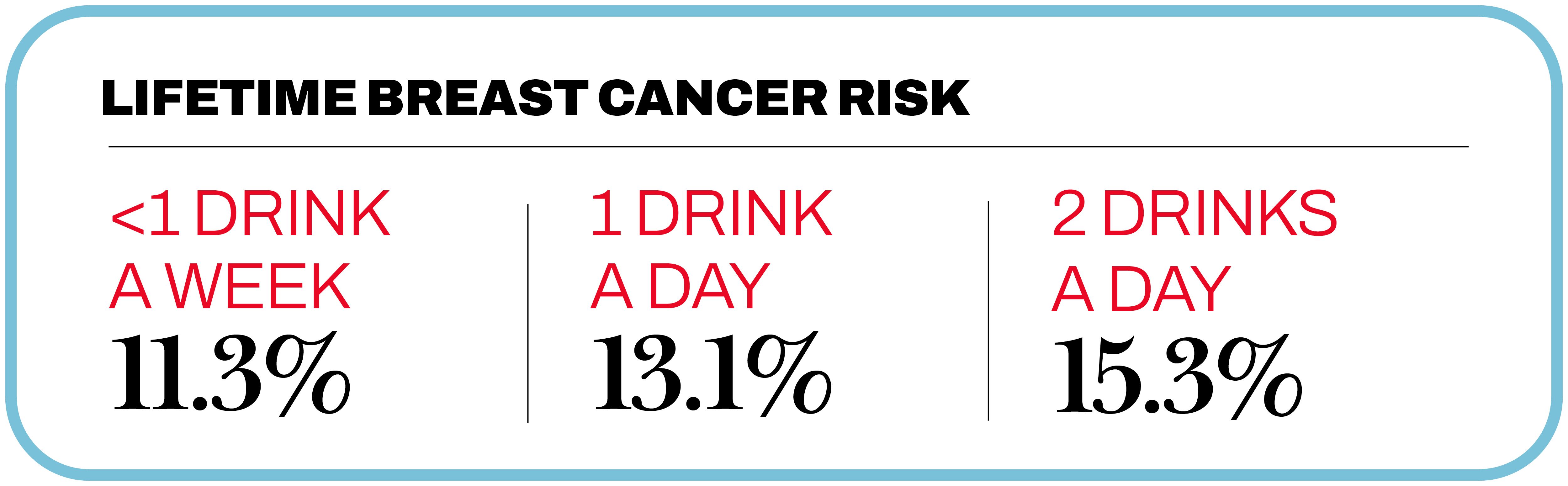
According to the 2025 Surgeon General's Advisory on Alcohol and Cancer Risk, your lifetime risk of breast cancer is about 11.3% if you drink less than one drink a week. It rises to 13.1% at one drink a day and 15.3% at two. I enjoy a tequila or glass of rosé as much as anyone, and I'm not asking you to quit. I'm asking you to count.
HRT's reputation was built on misinterpretation
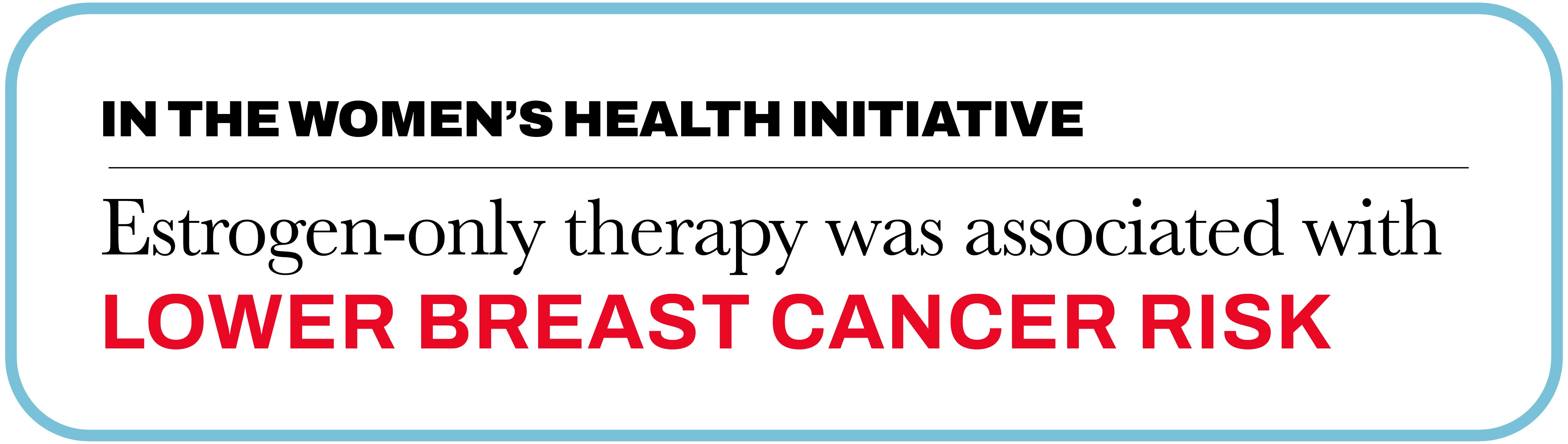
In the Women's Health Initiative, estrogen-only therapy was associated with lower breast cancer risk. That’s right, LOWER. Combined estrogen and progestin showed a small increase. But in 2002, the WHI headline was misrepresented and misinterpreted by media and medical professionals alike to say: HRT causes breast cancer. This is inaccurate and untrue. In November 2025, the FDA announced it would remove the breast cancer language from the boxed warning on menopausal hormone therapy, and the first label changes were approved in February 2026.
To be precise, the prescribing information still notes a small increased risk with combined therapy, but this is observational and not causative. If hormones “caused” cancer, conditions like pregnancy would increase a woman’s risk—when, in fact, having been pregnant lowers a woman’s risk of breast (and uterine and ovarian) cancer. Overall, a woman who has completed one full-term pregnancy has a 25% lower lifetime risk of breast cancer than a woman who has never had a full-term pregnancy. Bottom line on this nuanced and complex issue: HRT isn't risk-free, but its risk is smaller than you've been told.
If your mother had breast cancer, that alone still doesn't rule out HRT for you. Even if you've had breast cancer yourself, hormones, especially low-dose vaginal estrogen, may be an option. Remember, HRT/MHT has numerous effects that go beyond reducing hot flashes as a benefit, and breast cancer as a potential risk. This is taken on a case-by-case basis, so you need to have that conversation with your primary physician and your oncologist.
Breast cancer is like the weather
"Breast cancer" isn't one disease. Hormone receptor–positive, HER2-positive, and triple-negative tumors behave very differently. Postmenopausal breast cancer is more often slower-growing than premenopausal disease. DCIS, often called stage 0, is now considered by many oncologists to be a precancer, and the COMET trial suggests active monitoring may be reasonable for some low-risk cases, although it can be difficult to determine who is “low-risk.” Also, one of the biggest misconceptions out there: Having an estrogen/progesterone receptor positive tumor does NOT mean that those hormones caused the cancer. What it means is that the cancer cell still maintains the surface hormone receptors of a normal breast cell, rather than mutating so much to lose those receptors and become estrogen receptor negative.
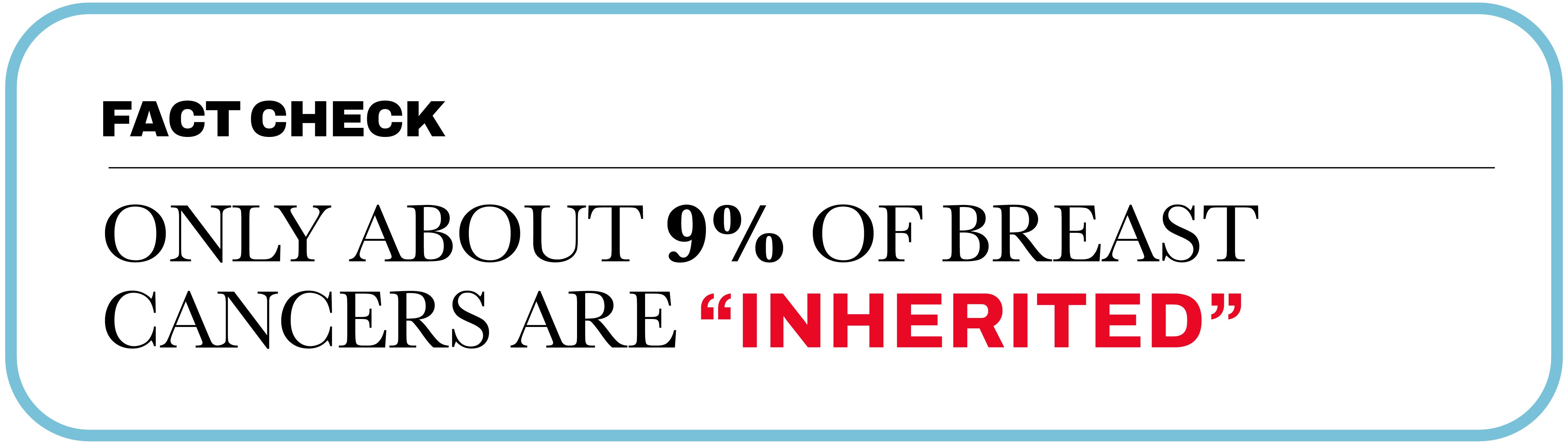
Genetics matter less than you think. Only about 9% of breast cancers are “inherited,” and BRCA isn't the only gene involved. PALB2, CHEK2, ATM, and others play a role.
Screening finds cancer—it doesn't prevent it
A mammogram's job is to catch cancer earlier than you would without screening, with the hope that early detection saves lives. Ultrasound and MRI can add value if you have dense breasts or are at higher risk, but experts still debate who benefits from supplemental imaging. Thermography is not a substitute for a mammogram, full stop. Do we need better imaging options for breast cancer than mammography? Yes. But right now, that is still the gold standard.
Know your number
Free tools can estimate your personal risk. Try the National Cancer Institute's Breast Cancer Risk Assessment Tool, the BCSC Risk Calculator (which factors in breast density), or ask your doctor to run the more detailed Tyrer-Cuzick (IBIS) model. You can search these online, and enter in your personal info to get your lifetime individual risk.
What to say to your doctor
"Can we calculate my breast cancer risk using Tyrer-Cuzick or the BCSC model? Based on that number, my family history, and my breast density, what screening do I need?”
Your risk isn't fixed, and it isn't a mystery. Knowing your number and what's in your glass puts you back in charge of it.
As women, we all have to face a risk of breast cancer. Why wouldn’t we want to do everything we can to lower that risk? I’m definitely not ready to stop drinking my tequila completely, but I have dropped from four drinks a week to four drinks a month at most. That is risk reduction I can definitely feel good about. So for this Breast Cancer Awareness Month, I encourage you to increase your awareness about how much alcohol you are consuming and to take any step possible to reduce that amount. Your whole body, including your breasts, will thank you!