Wellness Resources
The GLP-1 Toolbox Just Got Bigger. Here's the Newest Player.
A new oral GLP-1 just received FDA approval—and it could reshape how we think about weight management, access, and the future of metabolic health.

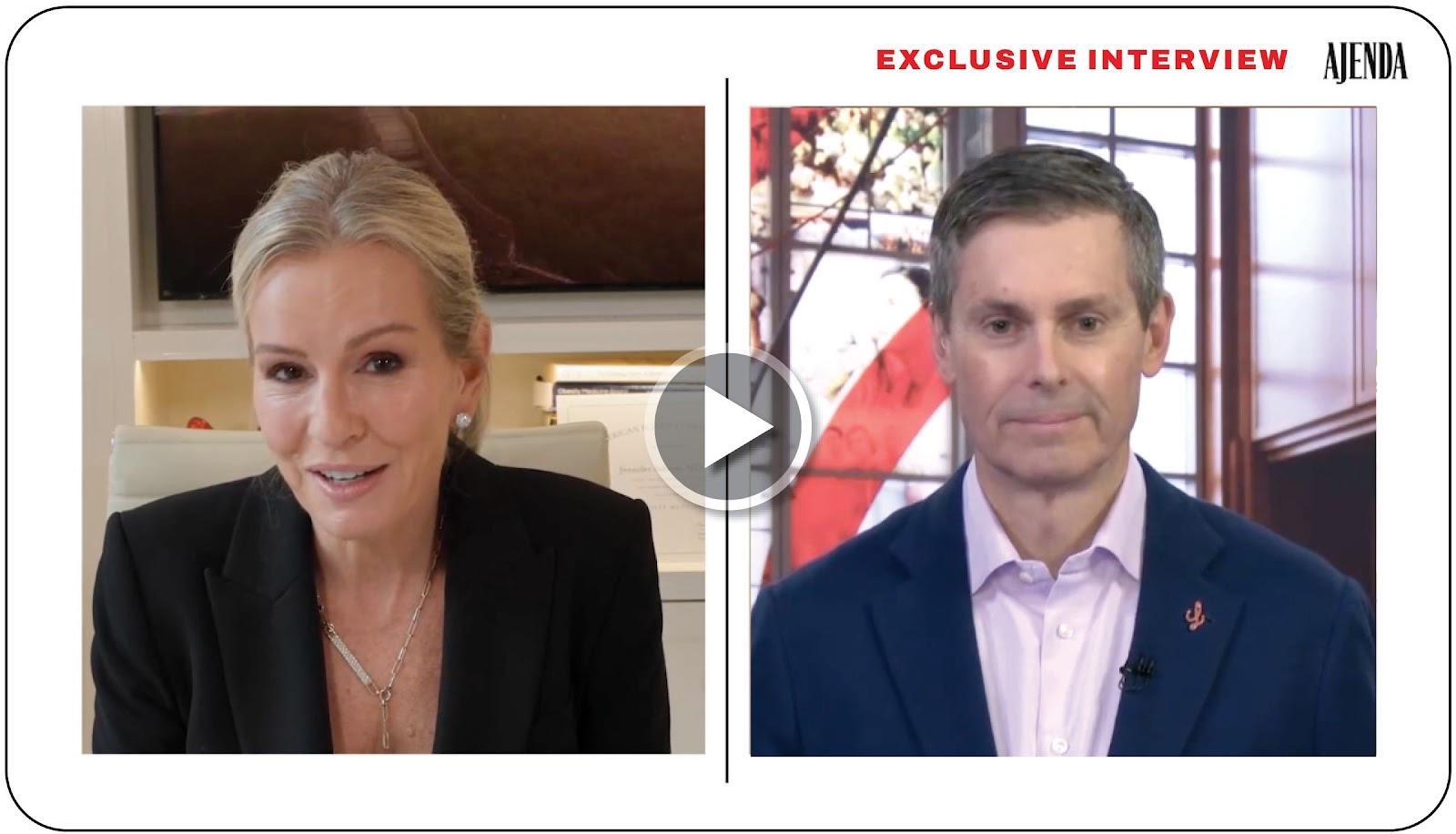
You know I have been talking about incretin therapy and GLP-1 medications for years. This week, the news genuinely got me excited. I had the rare chance to sit down with Dave Ricks, CEO of Eli Lilly, and what he shared is too important to miss. Let’s break it down because complex health topics deserve more than a 75-second soundbite.
The big headline is that the FDA just approved Foundayo™, a new once-daily oral GLP-1. That is right, a pill, not an injection. The details on how it works, who can use it, and what it actually costs are even more interesting than the headlines suggest.
Here is what you need to know:
- The current FDA approval is for adults with overweight or obesity, with or without type 2 diabetes, for weight loss. Approval for blood sugar control is expected later this year or early next year.
- In clinical studies, Foundayo™ lowered HbA1c (a key diabetes marker) by about 2 points. As a physician, I can tell you that it is a remarkable result for an oral medication.
- Participants lost an average of 11 percent of their body weight over about a year. Most people lost some weight, and many lost a significant amount.
There is more to this story. We talked about why this pill behaves differently than other oral options, the background on the “expedited” FDA approval process, and why there is nothing to worry about, and what is next for this class of medications. It goes well beyond weight loss.
I also asked the questions that matter most to me as a doctor: access for seniors, the risks of compounded knockoffs, and whether women’s health is finally getting the attention it deserves, in the form of specific research and development. Some of his answers genuinely surprised me. And I want to be clear on one important point that many people raised on my brief Instagram post last week with Lilly’s CEO: the cost of these drugs is PART of the picture, not the whole picture. I asked questions, and the CEO gave answers. How you think after hearing them is up to you, not me.
I am not pro-pharma or anti-pharma. I live in the real world, where it costs $2-3 billion to develop a new drug. Pharmaceutical companies are not non-profits, and I don’t think they should be. I actually WANT them to make money so they can afford to research and develop new drugs that can help many people. I think the blame rests more with insurance company coverage of these and other medications than with the industry that makes them. To address the cost issue, my personal POV is that in a country where 70% of the population could benefit from these drugs, the government should be subsidizing them for those whose insurance doesn’t cover them or who can’t afford them. (Perhaps work on people’s health rather than build missiles or spend $200B on a war that was elective- but I digress.) Regardless of any societal or political view, this is a complex issue, and many of the people, myself included, commenting on the pros and cons of big pharma are not expert enough to make definitive statements, so I hope you watch and read with an open mind.
The full conversation is live now on my Ajenda YouTube channel. Go check it out. You do not want to miss this one.

There’s more where this came from.
Every Wednesday, I send out practical, science-backed insights on menopause, weight loss, and women’s health. Subscribe to our FREE newsletter.


