Wellness Resources
Understanding "Microdosing" when it comes to GLP-I's
The term “microdosing GLP-1s” is everywhere right now, but most people using it are not actually microdosing. Here’s what the term really means, what the science says about low-dose GLP-1 use, and why the distinction matters, especially for women in midlife.
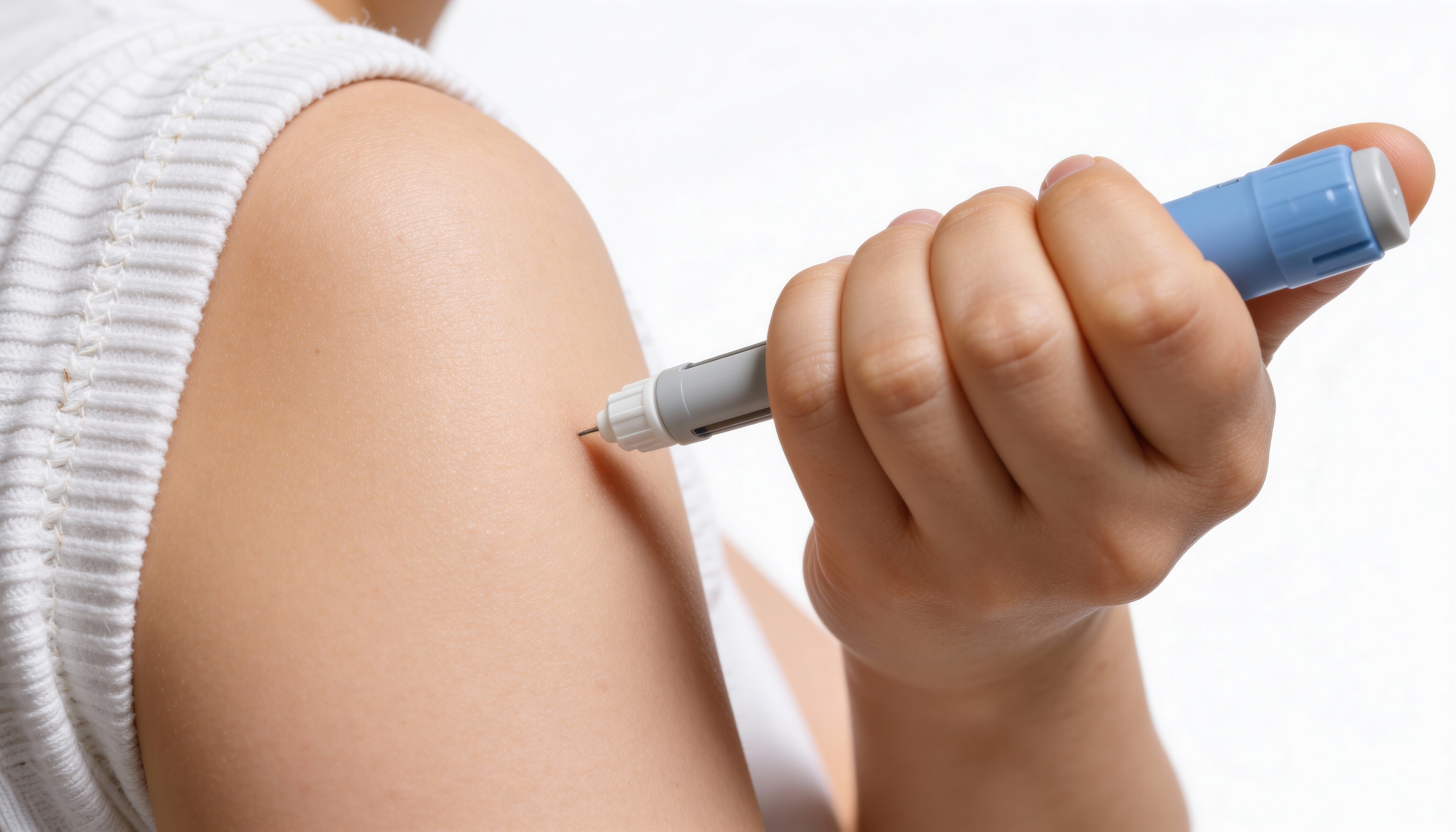
Most people using that word don’t know what it means.
If you've been on social media in the last six months, you've probably seen someone talk about "microdosing" their GLP-1 medication. It sounds precise, scientific, cutting-edge. It sounds like someone who's really done their research. And it sounds like someone who is afraid of societal push-back for saying simply ‘I’m on a GLP-1.’ (think about the parallel for depression: would someone say, I’m on medication, but just a micro-dose, so it’s not THAT bad?!) In most cases, what it actually means is: they're taking a low dose. And those are not the same thing.
What Microdosing Actually Means
In pharmacology, microdosing refers to administering a drug at a fraction of the therapeutic dose, typically below the threshold at which the drug exerts its intended pharmacological effect. The concept originated in early-phase drug development, where sub-therapeutic doses are given to study a drug's behavior in the body without producing clinical effects. When people on TikTok say they're "microdosing" semaglutide at 0.25 mg per week, they are, in many cases, simply taking the FDA-approved starting dose of Ozempic. That's not microdosing. That's the labeled titration protocol designed to minimize gastrointestinal side effects while your body adjusts. The manufacturers built that ramp-up for a reason.
True microdosing of GLP-1 receptor agonists would mean taking doses below 0.25 mg of semaglutide or below 2.5 mg of tirzepatide, often as low as 0.05 to 0.1 mg. There is no peer-reviewed scientific evidence demonstrating that GLP-1 receptor agonist microdosing is effective or safe. The American Association of Clinical Endocrinology has stated that it does not support routine microdosing and recommends adherence to FDA-approved dosing guidelines.
Why It’s Trending
Four reasons: cost, side effects, stigma, and marketing. GLP-1 medications are expensive, and many patients either can't afford or can't tolerate full therapeutic doses. The appeal of getting "some benefit" at a lower dose and a lower price is understandable. But as researchers at Yale have pointed out, patients pursuing unvalidated microdosing protocols are essentially serving as their own test subjects on both efficacy and safety. Several telehealth companies have launched microdosing programs using compounded semaglutide, which is not FDA-approved, at prices that undercut branded medications. The marketing is compelling. The clinical evidence behind it is not. And, as I mentioned above, some people use this term for fear of social pushback, for being on this medication if they don’t have overweight or obesity.
What the Published Data Shows
The STEP trials, which established semaglutide's efficacy for weight management, studied the drug at 2.4 mg weekly. A STEP 1 subanalysis did show that participants taking 1 mg of semaglutide lost an average of roughly 16% of their body weight over 64 weeks, which was close to the results at 2.4 mg. That's a genuinely interesting finding, but 1 mg is not a microdose. It's the standard maintenance dose for Ozempic's diabetes indication. A 2025 case series found that patients who reduced their injection frequency to every two to four weeks after reaching their weight loss goal were able to maintain most of their results, which suggests there may be a role for lower-dose maintenance. (I am a big advocate of spacing out doses for people who have reached their goal weight, OR who are taking GLP-1’s primarily for a possible metabolic/anti-inflammatory benefit, and who want to keep their weight neutral.) But maintenance dosing after achieving a clinical response is a completely different concept from starting at a sub-therapeutic dose and hoping it works.
Why This Matters More For Women in Mid-Life
Women in menopause and beyond face a specific metabolic landscape: declining estrogen, increasing insulin resistance, accelerating visceral fat accumulation, and anabolic resistance. If you need a GLP-1 medication, and many women do, the therapeutic dose exists for a reason. It was calibrated in clinical trials involving tens of thousands of patients. Taking a fraction of that dose to save money or avoid side effects may mean you're getting the cost and the injection without the clinical benefit, and there is currently no rigorous evidence to tell you otherwise.
There may be a future where low-dose GLP-1 protocols are validated for specific populations. A 2025 letter in Diabetes Care acknowledged that microdosing could play a role in optimizing therapy around challenges like availability, affordability, and tolerability. But that's a hypothesis, not a conclusion.
My Position
If you're working with a board-certified obesity medicine physician or endocrinologist who is thoughtfully adjusting your dose based on your clinical response, your labs, and your tolerance profile, that's personalized medicine. That's appropriate. But if you're buying compounded semaglutide from a telehealth app at a fraction of the proven dose because an influencer said it worked for her, you're not microdosing. You're underdosing. And those are two very different things with very different consequences.
The language matters. The dose matters. And you deserve a prescriber who knows the difference.
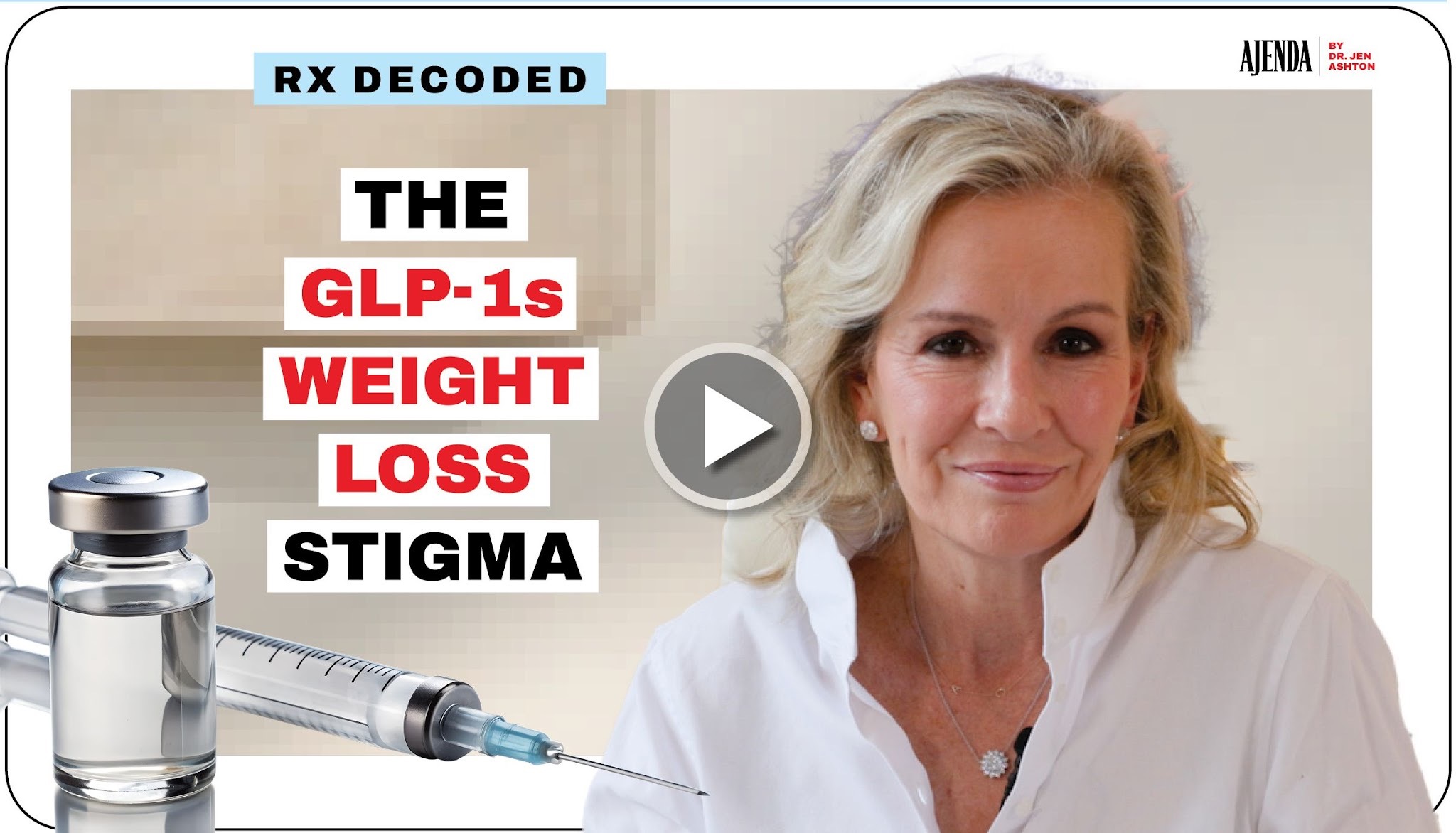
I just launched a GLP-1 deep dive that’s really worth the time if you’re considering GLP-1s. You can watch it at your own pace, or press play and listen while you go about your day. Click here to watch the GLP-1 Deep Dive.