Nutrition Advice
Wait...This is Processed?
After sharing a 30-day no-UPF experiment on Instagram, hundreds of you asked to join — so this January, we’re breaking down what ultra-processed foods really are and why they matter.
Last Thursday, I shared on Instagram that I was starting a 30-Day No UPF (Ultra-Processed Food) Experiment. It went viral, with hundreds of people commenting that they wanted to do this with me. So this January, I’ll be devoting Ajenda’s ‘Dose of Honesty’ to share weekly updates from the experiment and cover a concept related to UPF.
The experiment is simple: For 30 days, I’m avoiding UPFs as much as possible and following six metrics:
- Energy Level
- Body Weight
- Digestion
- Appetite
- Sleep
- Skin
To be clear, this isn’t a “detox” or a weight loss challenge. It’s about resetting the baseline and being aware of just how much ultra-processed food is around us.
Let’s jump in! This week, we’re starting with definitions.
The Four Food Categories
The NOVA Food Classification System breaks food down into four categories based on how much processing it’s gone through:
Group 1) Unprocessed or Minimally Processed Foods
Food that’s in its natural state (or close to it). Think fruits, legumes, grains, coffee, nuts, fresh meat, eggs, and coffee.
Group 2) Processed Culinary Ingredients
Ingredients extracted from natural foods or nature that are used for cooking in moderation. Oil (such as olive or avocado), sugar, honey, butter, lard, and salt are all fair game.
Group 3) Processed Foods
Whole foods with a few ingredients added to preserve them or enhance their palatability, such as salt, sugar, or oil.
For example:
- Cheese
- Plain yogurt
- Smoked fish
- Canned beans
- Bread made with flour, yeast, water, salt
Processed foods aren’t the enemy. In fact, in many cases, it’s what makes healthy eating possible. Processing lets you open a can of beans instead of soaking them for 12 hours, have yogurt that won’t spoil in two days, and eat tomatoes in January.
Group 4) Ultra-Processed Foods
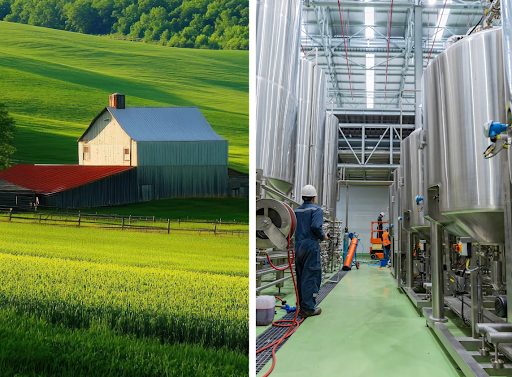
Industrial products made with ingredients you wouldn’t have in your kitchen. They’re full of additives designed to improve texture, extend shelf-life, and make them hard to stop eating.
For example:
- Frozen “ready meals”
- Chips, cookies, candy
- Packaged baked goods
- Sodas and sweetened drinks
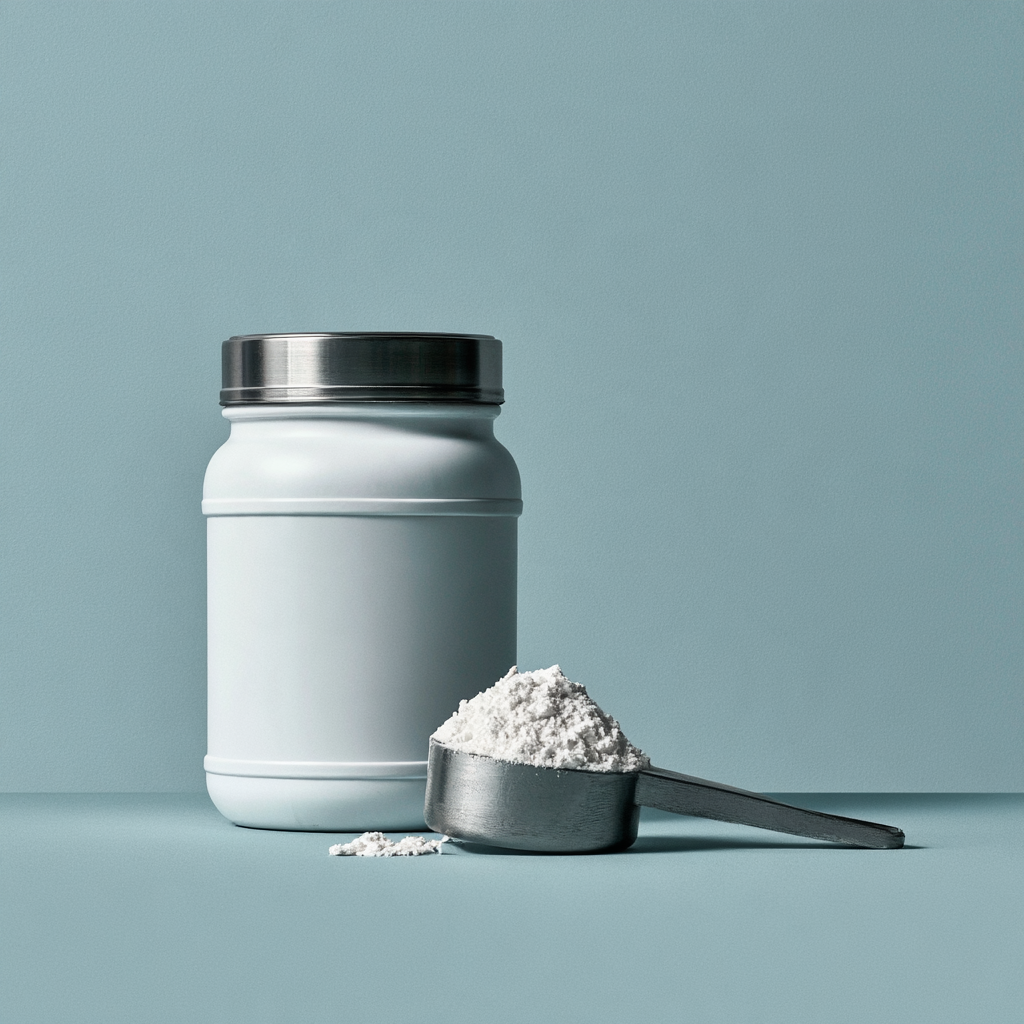
- Protein bars, powders, drinks and “diet” snacks (note: often described as ‘healthy’)
How to spot them:
- Long, hard-to-pronounce ingredient lists
- Contains additives like emulsifiers, stabilizers, flavors, colors
- Heavily packaged (think: plastic wrapper, inner liner, paper box) which may increase exposure to microplastics and chemicals. Note: This is an active areaof research.
The Sneaky Truth About UPFs
Now, you’d think spotting UPFs would be easy once you know what to look for. The scary truth is that when you opt for something that feels healthy, you’re likely grabbing an UPF.
Take Hippeas Chickpea Puffs. The package says “plant protein.” The ingredient list looks clean: chickpea flour, rice flour, pea flour, spices, and yeast extract. The nutritional profile has 0 trans fats, 4 grams of protein per serving, low sodium, and less than 1 gram of added sugar.
But it’s a “Trojan Horse.” While it might not scream “UPF,” it’s not a food that resembles its form found in nature.
- Zoom In: These puffs were industrially manufactured to have a long shelf-life, and each one smells and tastes identical. Those features mean it’s an UPF.
While the label doesn’t have any glaring offenders, these are “empty calories” that’ve been industrially formed using artificial processes and compounds. Buyer (and eater) beware.
The Midlife UPF Problem
U.S. adults get about 53% of their calories from UPFs. Read that again. That is shocking. (And I never overuse the word “shocking.”) The research tells us very clearly why that’s a problem:
- Science Says: A 2019 study of 20 people found that people on an ultra-processed diet ate 500 more calories per day and gained 2 pounds compared to those eating unprocessed foods.
For us women in midlife, this is the last thing we need. We’re already fighting to maintain muscle, sleep through the night, and manage our rising cardiometabolic risk. An extra 500 calories a day from “food” that’s usually low in protein will not help us win the long game.
Here’s one last test to help you spot an UPF. Ask yourself: Could this food be made in my mother's or grandmother’s kitchen using ingredients I recognize?
If yes, it’s probably whole foods or (minimally) processed foods/ingredients (and fine). If not, it’s probably ultra-processed (and worth limiting or avoiding entirely).