Wellness Tips
What the Holidays Do to Your Skin (and How I Fight Back)
Menopause, winter air, holiday drinks and sugar all take a toll on skin after 50. Dr. Jen explains the science behind seasonal dryness and collagen loss, and shares the ingestible skin care she uses every day.
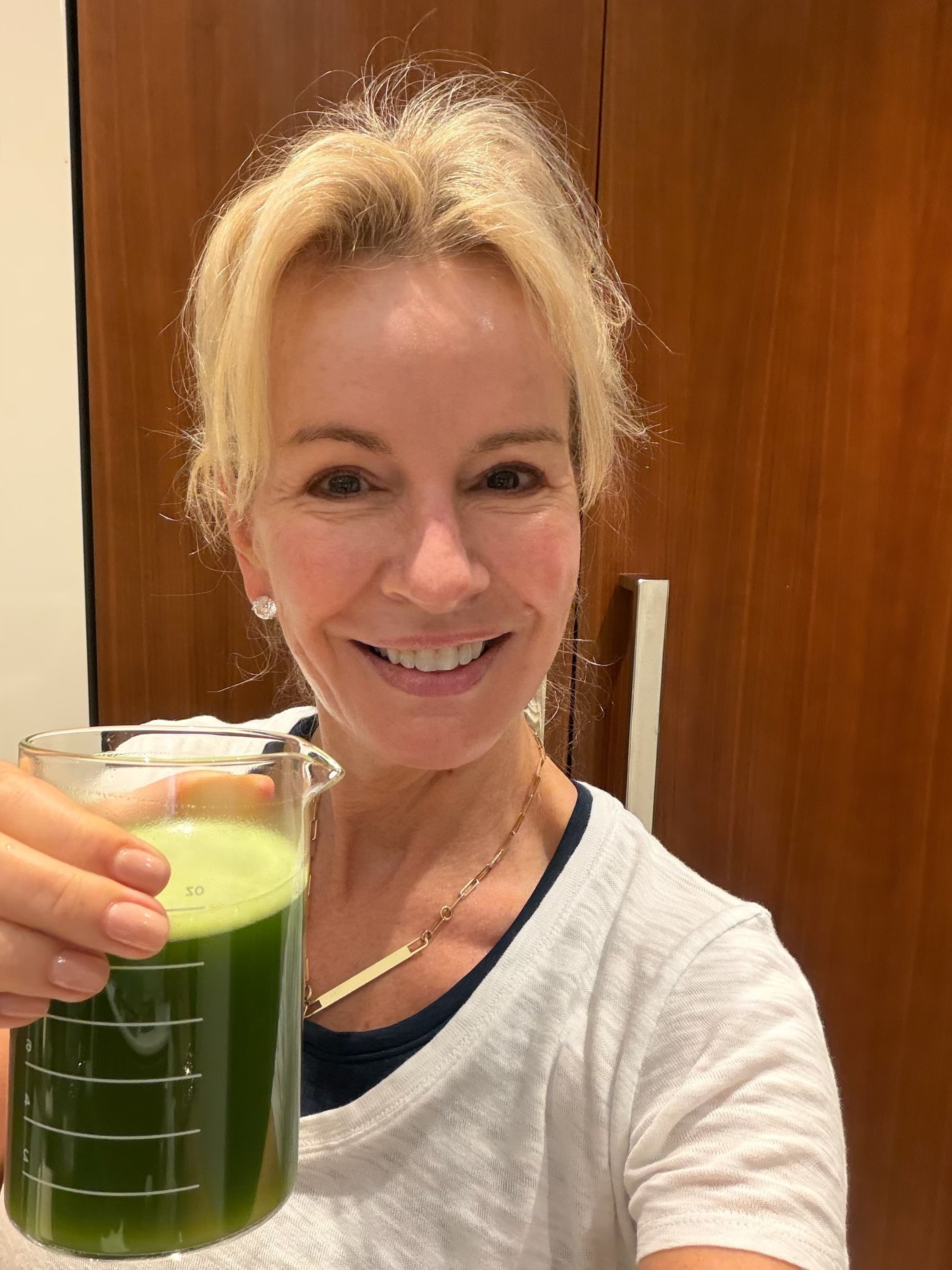
Let’s talk about skin around this time of year. If you’ve ever caught your reflection in the powder room mirror at a party and wondered when your skin got so dry and dull, you’re not alone, and it’s not just the lighting (although that never helps). The holidays ask a lot of your skin, and after 50, it’s already working with less.
Menopause changes the starting line
When estrogen drops at menopause, collagen, the protein that keeps skin firm, drops with it. One review estimates that as much as 30% of skin collagen is lost in the first five years after menopause. Thirty percent! No wonder so many of us notice our skin feeling thinner and less bouncy. Dryness often goes hand in hand with the drop in collagen and firmness: In a national study of nearly 3,900 postmenopausal women, doctors found dry skin in more than a third of them. If that’s you, you’re in very good company.
Then winter piles on
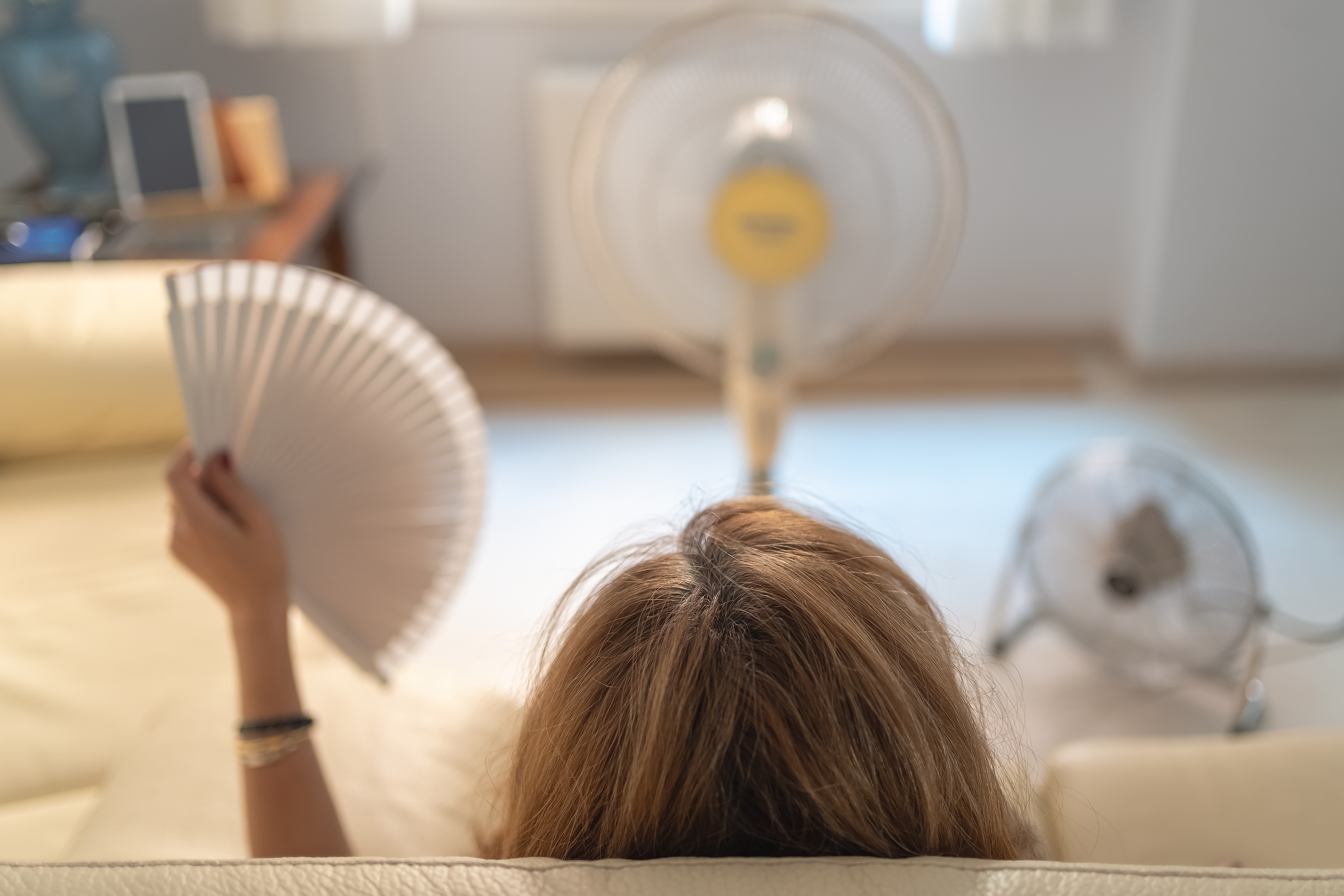
The outer layer of your skin stays hydrated thanks to the fats between its cells, including ceramides. When researchers measured those fats in women’s skin, levels were lower with age, especially ceramides, and dramatically lower in winter than in spring and summer. Then we add holiday travel: On long flights, the humidity in the cabin can drop below 10%.
The celebrations add up
The season also comes with plenty of toasts. In a survey of more than 3,000 women, those who had eight or more drinks a week rated themselves as having more under-eye puffiness, more visible blood vessels, and more volume loss in the midface than women who didn’t drink. I’ve cut way back on drinking, and this is one more reason I’m glad I did. Over the past year, I’ve gone from roughly four drinks a week to probably four or fewer a month. It has had a huge impact on my skin for sure!
Then there’s the sugar. When blood sugar runs high, sugar molecules latch onto the collagen and elastin that support your skin and cross-link the fibers, which makes them hard to repair. That’s not a reason to skip the pie. It is a reason not to turn the holidays into one long dessert.
What I do from the inside
I’ll be honest with you: I’m skeptical of beauty supplements. Most of them promise more than the science can deliver. But a few have earned a permanent spot in my routine, and they line up with the problems we just talked about. I am so impressed with the science (and my own results) on the dermatologic impact of nutrition that I am calling it now: Ingestible skin care will be a major wellness trend of 2027. While I can’t comment on every supplement out there right now, I can tell you about my own experience with a few.
For dryness, I drink Pique’s B·T Fountain, and I’ve had it nearly every day for the past four years. It’s an electrolyte drink made with plant ceramides from wheat and hyaluronic acid, a molecule that helps skin hold on to water. I also like that it gets me to drink more water, which is especially important when traveling and during drier months. I pair it with Sun Goddess Matcha, an organic, ceremonial-grade matcha from Japan with naturally occurring L-theanine and the antioxidant EGCG (Pique takes an extra step and screens for over 500 pesticides). It’s been in my routine as long as B·T Fountain, and between the two, I’ve seen a real difference in my skin.
Collagen is the protein that menopause depletes and holiday sugar stiffens, so it deserves some extra attention around the holidays. I’m a real fan of Pique’s Carrara, which pairs Type I and Type II marine collagen with biotin and pearl powder. When researchers pool the studies on collagen supplements, they see better skin hydration and elasticity, exactly what winter skin is missing. In a third-party observational study evaluating users of Pique’s Carrara, 86% reported greater skin satisfaction, 83% smoother skin, 80% plumper skin, 74% fuller hair, 91% healthier-looking nails, and 86% faster-growing nails.
In fairness, the strongest results have come from industry-funded studies, but still, I’ve seen real results in my skin and hair. Carrara stirs into tea or coffee (warm drinks actually give it the best texture), it’s shelf-stable for holiday travel, and each serving has 8.5 grams of collagen protein. (And no, I don’t count that toward my daily protein target.)
None of this replaces sunscreen or a good moisturizer. Consistency matters a lot. But you can think of it as the inside half of the job.
An early gift to yourself
Pique now sells all three of these products together as part of their Skin + Hair Longevity Protocol. So before the gift lists get longer, I want to share something for the person who tends to end up at the bottom of her own list: you. You don’t need to wait until January. Start now, while the calendar still has some breathing room, and do your own experiment: Give it three to six months and see what you notice.
Enjoy the parties, the travel, and the people. But don’t forget to take care of yourself and your skin.
Related link: SHOP THE SKIN + HAIR LONGEVITY PROTOCOL
Subscribe to the complete protocol and save 25%, with a complimentary Beaker, Frother, Glass Bottle, Scoop, and Sample Pack.