Wellness Resources
Can't Take Hormones? Other Good Options For Menopause Symptoms
Hormone therapy isn’t the only option for managing menopause symptoms. A growing range of evidence-based non-hormonal treatments—from medications to behavioral strategies—offers real, meaningful relief when chosen thoughtfully.
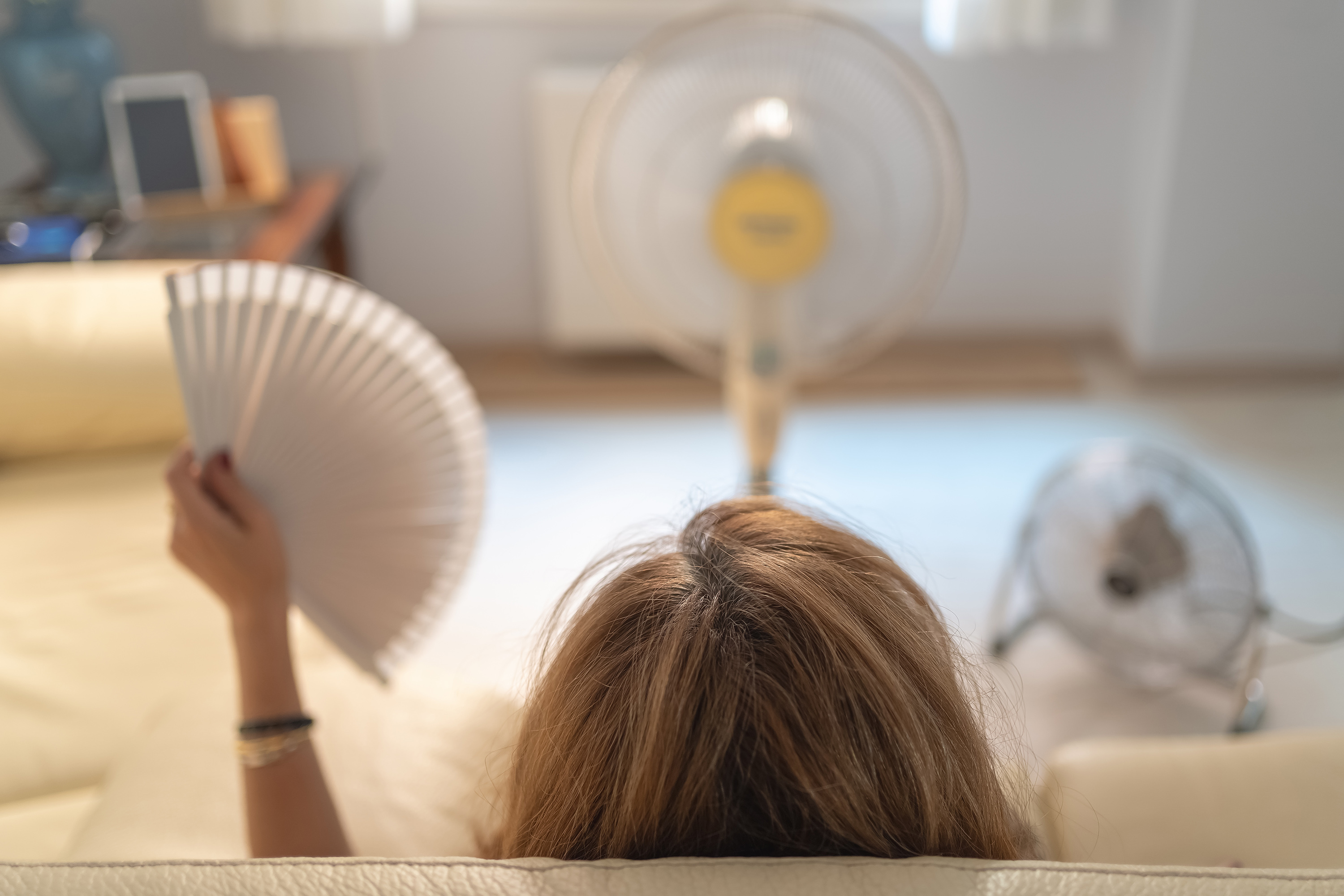
Let me start with something I say regularly: the goal for menopause management isn’t all about taking hormones or not taking hormones; the goal is to make an informed decision. I personally take HRT, but I recognize that hormones are not for every woman, despite what the loud Instagram menopause community seems to suggest. And for the millions of women who can't use hormone therapy, or who choose not to, there's a growing, and genuinely promising, non-hormonal toolkit worth understanding clearly.
Older, non-hormonal options — what the data actually supports
SSRIs and SNRIs (paroxetine, venlafaxine, escitalopram) have the most published evidence behind them, after fezolinetant, the new kid on the block for non-hormonal treatment. Low-dose paroxetine salt (Brisdelle) is actually FDA-approved specifically for hot flashes. In clinical trials, these drugs reduced hot flash frequency by roughly 25-60%, which is much less than HRT, but clinically meaningful for many women. The trade-offs include potential sexual side effects, nausea, and, critically, drug interactions. Paroxetine, for example, inhibits tamoxifen metabolism, so that combination is off the table for women on tamoxifen.
Gabapentin has modest evidence, mostly from smaller trials, showing reductions in hot flash frequency and improved sleep. It's sedating, which is either a side effect or a feature depending on the patient. The data is less robust than SSRIs and more variable across studies.
Clonidine, an older blood pressure drug, has weak and inconsistent evidence for hot flashes. I have never prescribed this in my career, and don’t know any Gyns who have either. It has significant risks, especially when discontinuing it, and has largely fallen by the wayside in the ‘menopause museum’ of modern-day usage.
The new standard-bearer: Fezolinetant
In 2023, the FDA approved Fezolinetant (Veozah), the first non-hormonal drug specifically designed for menopausal hot flashes. It works by blocking neurokinin B receptors in the brain, targeting the thermoregulatory pathway that goes haywire during perimenopause. This is not a repurposed antidepressant. It's a mechanism-specific treatment, and that matters.
Clinical trial data showed statistically significant reductions in the frequency and severity of moderate-to-severe vasomotor symptoms compared with placebo, with effects observed as early as week one. The side effect profile is generally mild, with headache and insomnia being the most commonly reported, although a small percentage of women actually reported hot flashes when on the drug. It’s unclear whether that was a new side effect or a continuation of a symptom they had before starting the medication.
The one flag worth knowing: there's a liver enzyme monitoring requirement for women with pre-existing liver conditions, and it's contraindicated with certain CYP1A2 inhibitor medications. It is necessary to check liver function with blood tests before and during treatment. It's not the right fit for everyone, including women with kidney or liver disease, but for appropriately selected patients, it's a meaningful option.
Behavioral and non-pharmacologic approaches
Cognitive behavioral therapy (CBT) has stronger evidence than most people realize. Multiple randomized trials, including the MENOS studies out of the UK, showed CBT significantly reduced the problem rating of hot flashes, meaning the degree to which they interfered with daily life, even when it didn't always reduce the raw frequency. This is important because how we experience a symptom is as clinically relevant as the symptom itself. CBT isn't "just therapy" here; it's a validated intervention.
Clinical hypnosis has a smaller but real evidence base, with one well-designed randomized controlled trial showing a significant reduction in hot flash scores. I find this underused.
Mind-body approaches such as yoga, mindfulness, and paced breathing show benefits in some studies, but the quality of evidence is inconsistent. They're low-risk, potentially helpful for sleep and anxiety, and worth recommending alongside other strategies. I put them in the ‘use WITH’ category, rather than the ‘use on their own category.’
What we don't yet know
We need longer-term data on fezolinetant so that we can look at the incidence of other medical endpoints, such as cardiovascular disease, various cancers, and quality of life issues. We need head-to-head trials comparing non-hormonal options to each other, not just to a placebo. We have almost no data on many of the supplements and botanical options women are already using, such as black cohosh, phytoestrogens, and magnesium, with studies that are largely underpowered, short-duration, and often industry-funded. The absence of evidence isn't evidence of absence, but it does mean I can't confidently tell you they work.
The bottom line
Non-hormonal treatment for menopause symptoms has moved well beyond "just deal with it”. Fezolinetant is a genuine clinical advance. SSRIs and SNRIs have real data behind them. CBT is underutilized and undervalued. None of these are perfect substitutes for hormone therapy in all patients, but for many women, they're effective, appropriate, and sometimes exactly right.
The conversation isn't (as many influencers suggest) hormones versus nothing. It's about understanding the full menu — and making a decision that fits your history, your risk profile, and your life.
Ready for more clarity without the noise?
Today’s Ajenda is your FREE, science-backed newsletter from Dr. Jen Ashton. Delivering what actually works (and what doesn’t) for menopause, weight, and women’s health! No hype. No guesswork. Just straight answers, straight to your inbox, every week.
Subscribe now and stay one step ahead of your health.