Healthy Living
Why I Think the Term 'Longevity' is BS
Longevity has become a buzzword—often sold with expensive promises and thin evidence. For women over 50, the real goal isn’t chasing 110, it’s building vitality and health span that make life feel better right now.
I’m going to say the quiet part out loud: I think the way we use the word longevity right now is mostly BS.
Not because living longer isn’t a good thing. Of course it is. But the way that longevity is marketed to women over 50 has drifted far from reality and very close to fantasy. And fantasy is expensive, exhausting, and not especially helpful.
Here’s the core problem.
Much of the longevity conversation asks women to do uncomfortable, restrictive, expensive or time-consuming things today for a hypothetical payoff 40 or 50 years from now. Now, that framing might work if you’re 28 and optimizing a spreadsheet version of your future. It lands very differently when you’re 50 and over, juggling work, family, sleep disruption, joint stiffness, and a body that already feels different than it used to.
Most women I talk to aren’t asking, “How do I live to 110?”
They are asking,
“How do I feel better this year?”
“How do I wake up with energy?”
“How do I move without pain?”
“How do I think clearly and enjoy my life now?”
Longevity culture often skips right over that.
It’s also become a magnet for marketing hype. Supplements, stacks, gadgets, biohacks, peptide protocols that sound scientific but rest on very thin evidence. There’s a lot of talk about pathways, molecules, and mechanisms, and far less honesty about what’s actually been proven in real humans over meaningful periods of time. Much of what gets labeled “longevity science” is either extrapolated from animal models, short-term surrogate markers, or observational data that can’t tell us what actually causes what.
That doesn’t mean the science is useless. (I find it interesting and potentially exciting, but I also often find it ‘not ready for primetime.’) It means it’s being oversold. I also have a huge issue with health influencers who speak in absolutes. Science is almost never an absolute. It is nuanced, dynamically evolving, and ultimately may be slightly different for you than it is for a ‘study population.’
And here’s the other thing we don’t say enough: longevity without quality is not a win. Living longer while feeling weaker, foggier, more medicated, more restricted, and less joyful is not some gold medal outcome. It’s just more years.
This is why I prefer the terms "health span" or "vitality.”
Health span asks a better question:
How many of your years are lived with strength, mobility, cognitive clarity, independence, and resilience?
Vitality is even more grounded. It asks:
How do you feel in your body today?
Do you have energy?
Do you recover well?
Can you do the things you love without fear?
Ironically, when you focus on vitality and health span, longevity often improves as a side effect.
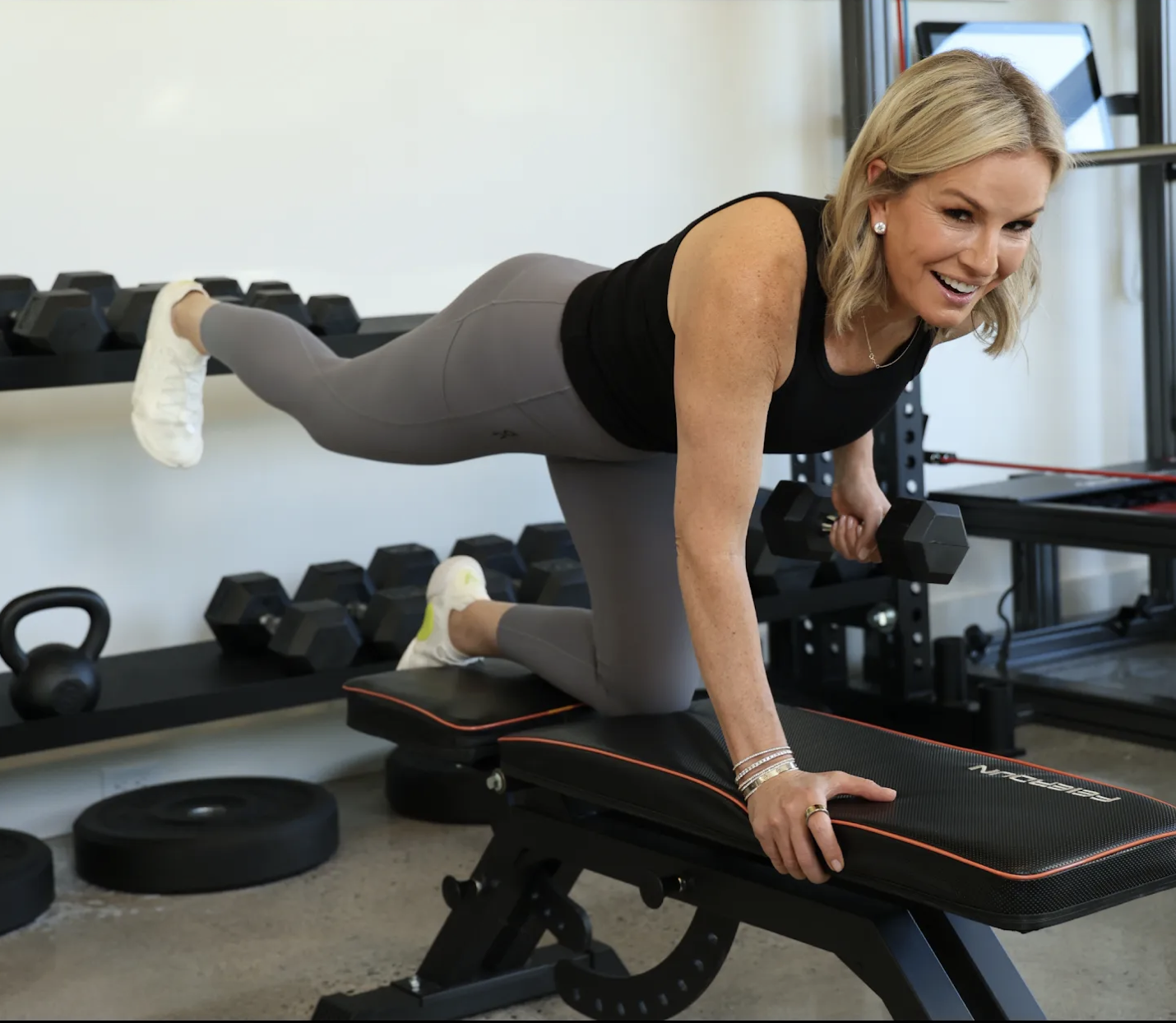
• Exercise and physical activity improve healthspan by enhancing cardiovascular, metabolic, and musculoskeletal function, preventing or delaying many chronic diseases. Scientific reviews highlight exercise as the core of healthy aging and chronic disease prevention.
• WHO recommends even moderate daily activity, which is associated with lower mortality risk and fewer cardiovascular events.
• Research summaries note that maintaining muscle (“musclespan”) correlates with lower risks of chronic illness and premature death.
But that’s not the sales pitch. It’s the byproduct.
The problem with the longevity obsession is that it can pull people away from what actually works: boring, unsexy fundamentals. Strength training. Protein. Walking. Sleep. Stress regulation. Purpose. Community. Social interaction. These don’t come with sleek branding or elite club vibes, and many of them cost nothing, but they have the deepest evidence base we have.
I’m not interested in shaming anyone for wanting to live a long time. I’m interested in reality checks. If a recommendation makes your life smaller today in the name of a distant, uncertain future, it deserves scrutiny. And, if something sounds too good to be true, it usually is.
For women over 50, the goal isn’t to optimize for a theoretical version of yourself at 95. (Though, full transparency: I am formulating my 80’s and 90’s style now, and I’m kind of excited about it! It involves platinum blonde hair or a faux-po, cool glasses, swaggy footwear, and oversized button-down shirts over cool leggings or pants!)
The goal is to feel capable, clear, and alive now, and to stack enough of those good years together that you don’t need to chase the word longevity at all.
Call it vitality. Call it health span. Call it living well.
Just don’t let marketing convince you that suffering today or the latest trend is the admission price for a future that isn’t guaranteed.