Nutrition Advice
3 Ways to Stop the Kitchen From Calling Your Name After Dinner
For many women over 50, the most challenging eating decisions happen after dinner. While occasional nighttime snacking isn’t a problem, regular late-night eating may work against blood sugar control, sleep quality, and weight-management goals. Understanding why evening cravings happen—and having practical strategies to manage them—can make a meaningful difference.
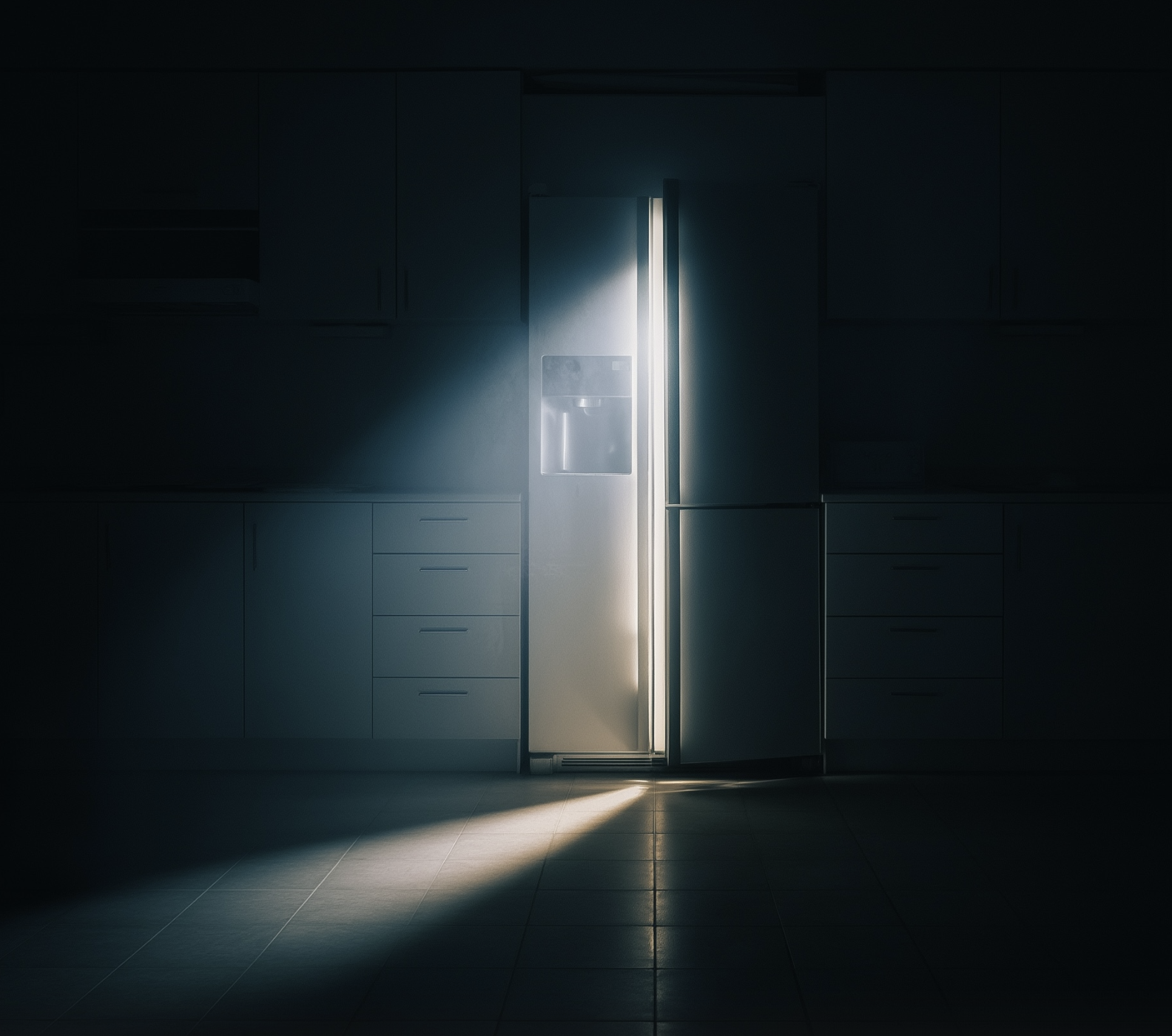
I hear this from women constantly: "I'm good all day and then I blow it at night." And I get it, because the evening is when willpower is lowest, routines dissolve, and the couch-to-kitchen pipeline is dangerously short. But before I give you my three go-to strategies, let me explain why eating at night is particularly counterproductive for women over 50.
Why Nighttime Eating Is Working Against You
Your body processes calories differently depending on when you eat them. Insulin sensitivity follows a circadian rhythm, peaking in the morning and declining as the day progresses. By evening, your body is less efficient at clearing glucose from the bloodstream, which means the same food eaten at 9 PM produces a higher glycemic response than the same food eaten at 9 AM. A study published in The Journal of Clinical Endocrinology & Metabolism found that late-evening calorie intake was associated with higher fasting glucose, impaired insulin metabolism, and increased fat oxidation disruption. For women in menopause who are already dealing with increased insulin resistance from declining estrogen, adding calories during the window when your metabolism is least equipped to handle them compounds the problem.
There's also the sleep angle. Eating close to bedtime, particularly foods high in sugar or refined carbohydrates, can disrupt sleep quality by causing blood sugar fluctuations during the night. And as we've discussed before, sleep disruption in menopause is already a multi-mechanism challenge. You don't need to add a dietary one.
My Three Strategies
1. Go to bed earlier. This sounds almost too simple to count, but it's the most effective intervention I know. You cannot eat if you're asleep. Every hour you stay up past dinner is an hour of exposure to the kitchen, the pantry, and the part of your brain that's decided you deserve something. Closing the kitchen at 8 PM and moving your bedtime up by even 30 minutes eliminates the window where most evening damage happens. Bonus: you get more sleep, which independently helps regulate appetite hormones like ghrelin and leptin.
2. Cheese and a cracker. If you genuinely need something after dinner, this is my go-to recommendation. A small piece of cheese (an ounce or so) with one or two whole-grain crackers gives you protein and fat from the cheese, which promotes satiety, and the cracker satisfies the crunching urge that so many women describe as the real craving. It's not the calories they want; it's the texture. The combination lands at roughly 150 to 180 calories; it feels like a snack rather than a deprivation strategy, and the protein helps stabilize blood sugar rather than spiking it.
3. Eat an apple. This one is underrated. A medium apple has about 4.5 grams of fiber, roughly 95 calories, and here's the part that matters most: it takes a while to eat. You have to chew it. You can't inhale it the way you can a handful of chips or a row of cookies. The mechanical act of chewing and the time it takes to finish an apple gives your brain a chance to register satisfaction. The fiber slows gastric emptying, which means you feel fuller longer. And the natural sweetness can take the edge off a sugar craving without sending your blood glucose on a roller coaster.
For Sweet Cravings Specifically
If what you really want after dinner is something sweet, try a cup of herbal tea, something naturally sweet like cinnamon apple or vanilla chamomile. The warmth, the ritual of making it, and the flavor can satisfy the craving without adding meaningful calories. A few frozen berries eaten slowly work well too. The cold temperature forces you to eat them one at a time, and the natural sugars are buffered by fiber.
What I'd encourage you to resist is the "just a small bowl of ice cream" rationalization, because we both know that a small bowl has a way of becoming a less small bowl, and the sugar and fat combination late at night is precisely the metabolic hit your body handles worst at that hour.
The goal isn't perfection. It's closing the gap between what your body needs at 9 PM (very little) and what your brain is telling you it wants (everything). These three strategies work because they're realistic, not because they're heroic.