Wellness Tips
How Spending Two Days in Your Bathrobe Can Benefit Your Health (I'm Serious)
At a renowned Swiss wellness retreat, I discovered that something as simple as wearing a bathrobe all day can have powerful effects on the nervous system. Backed by science, this practice shows how comfort, clothing, and environment can help your body shift into true rest-and-repair mode—no spa required.

Last week, I was fortunate enough to go to Switzerland to research wellness, vitality, and detoxification science practices at the world-renowned Chenot Palace in Weggis.
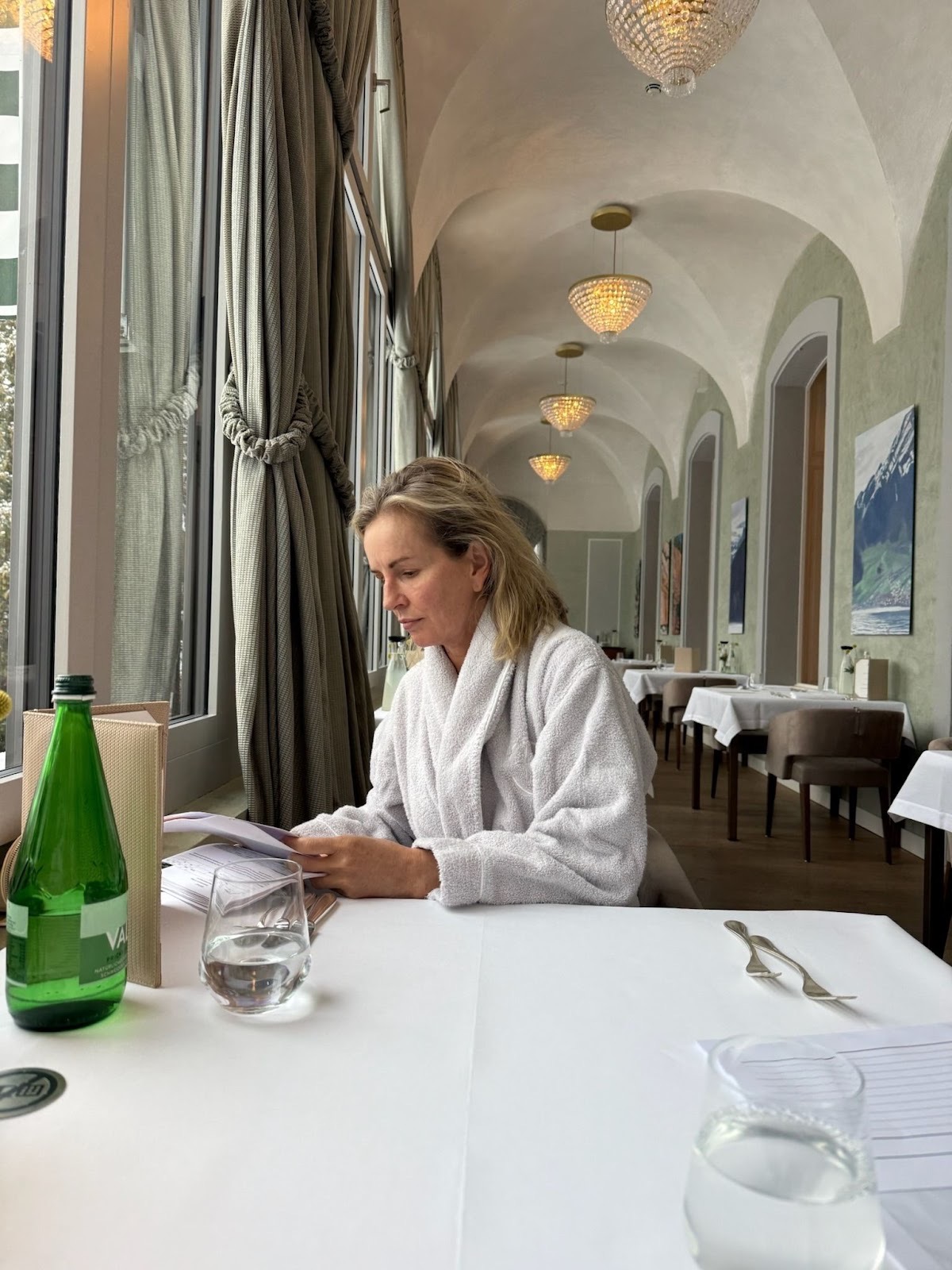
I went in full “experiment” mode and was hyperattuned to everything around me. My first observation? The dress code. Guests wander the property in gray terrycloth bathrobes and slippers (presumably naked underneath, as I was) all day long. This included wearing said bathrobes to the dining room for breakfast and lunch.
At first glance, it looks whimsical, like everyone’s been locked out of their rooms and can’t get their regular clothes. But there’s real science behind how what you wear (or lack thereof) impacts your health, and personally, I definitely felt it.
What Happens When You Stop Getting Dressed?
Think about where you normally wear a bathrobe: the spa, your bathroom, or by a swimming pool. You would never wear one to work or to dinner (unless you’re incredibly bold), because clothing carries meaning.
It signals “work,” “alert,” “ready,” and “professional.” This actually has a scientific term: enclothed cognition, and it’s the idea that what we wear influences our feelings, thoughts, and behaviors.
When we swap regular clothes for a bathrobe, it strips away those “alert” signals. That shift isn’t just symbolic: It has measurable effects on our nervous system.
(Additionally, I loved the fact that there was no subconscious pressure to wear a nice outfit or go through the mental energy of getting dressed!)
The Science Behind Enclothed Cognition
Your nervous system is constantly scanning its environment to see whether it’s safe to relax or should stay alert. When the coast looks clear, your parasympathetic nervous system (which is responsible for “rest and digest”) kicks in.
When the parasympathetic system engages, heart rate slows, heart rate variability increases, digestion improves, breathing becomes deeper, and stress hormones like cortisol dip. This is the opposite of fight-or-flight.
What helps trigger this shift? Comfortable, familiar, low-demand environments. And yes, clothing, especially those that don't squeeze, pinch, restrict, or signal “work.”
- Zoom In: Soft, loose clothing helps your body relax. But tight waistbands, stiff fabrics, and seams that dig into your skin send your nervous system stress signals, even if you don't consciously notice them.
Temperature plays a role, too. Wearing cozy pajamas and a robe helps keep your skin temperature steady, which is important because feeling too cold (or too hot) can spike cortisol.
Why This Matters For Women Over 50
For women over 50 juggling hormonal shifts, sleep challenges, digestive complaints, and cardiovascular risk, activating the parasympathetic nervous system isn’t a luxury: it's a necessity.
When your nervous system stays in “rest and digest” mode, you get better digestion, lower inflammation, improved sleep, and faster recovery after exercise.
In addition, wearing comfortable clothing sends a powerful message to your brain that this is NOT a normal day, but rather a day meant to rest/recover/engage in self-care.
How To Tap Into This At Home (With Zero Cost)
1. Create a ritual:
Designate part of your day as “comfort time.” Change out of street clothes and into something relaxing, such as soft pants and a loose tee. Personally, I believe that not wearing a bra and underwear is important for this wardrobe comfort stimulus.
2. Engage your senses:
Put on clothes that are soft and cozy (such as warm socks or slippers). A blanket works too! They all send safety cues to your nervous system. Pair this with calming scents like lavender or citrus.
3. Slow down movement:
Walk a few minutes in socks or slippers around your home before you start your day. Mindful, slow movement tells your body you are not in danger.
4. Keep screens off:
Screens can signal “alert” and “urgent.” Try to give your mind a break. In Switzerland, there was a TV in my room, and I never turned it on. I relished the quiet and peace.
5. Breathe through it:
While cozy, take 5–10 slow, deep breaths. Intentional breathing is one of the strongest ways to activate your parasympathetic nervous system.
6. Check your local weather forecast:
Next time the weekend forecast is rain or snow, consider trying a “stay at home in a robe all weekend” experiment and see how you feel!
At this top wellness center in Switzerland, the robe and slippers aren’t just part of a dress code; they are part of the program. They signal safety, rest, and self-care. And in a world that demands everything from you, learning to let your body know it’s safe is one of the smartest, science-backed things you can do.