Wellness Tips
I Did a 32-Hour Broth Fast: Here's What Happened
Two weeks into the New Year, I decided to test something bold: a 32-hour fast. Not for weight loss, but to explore autophagy, metabolic resilience, and the mental side of fasting—what it really feels like, who it’s for, and who should never try it.
We’re just two weeks into the New Year, and I did something I’ve only done once before: I fasted for over 30 hours. I want to walk you through the whole experience: The Who, What, Where, When, and Why, and how surprisingly easy it is to do at home for zero cost, if you’re curious.
Let’s get started!
The Why
I love experiments and studying how my body responds to things backed by data. While it’s nice to know what happened to hundreds of thousands of people, it’s even nicer to know how something affects me!
This was as much mental as physical. I wanted to see how difficult (or easy) it would be to go 32 hours without consuming any calories. I was NOT doing this for weight loss; I was doing it to stimulate the process of autophagy: cellular clean-up. And I was curious about my metabolic response: Would I feel starving? Tired? Hangry?
The Who
I did this with my 26-year-old daughter, Chloe. I highly recommend fasting with someone! It’s part of the experience to compare notes, share how you’re feeling, distract yourselves, and hold each other accountable. It’s also nice to finish (or bail) together!
The What
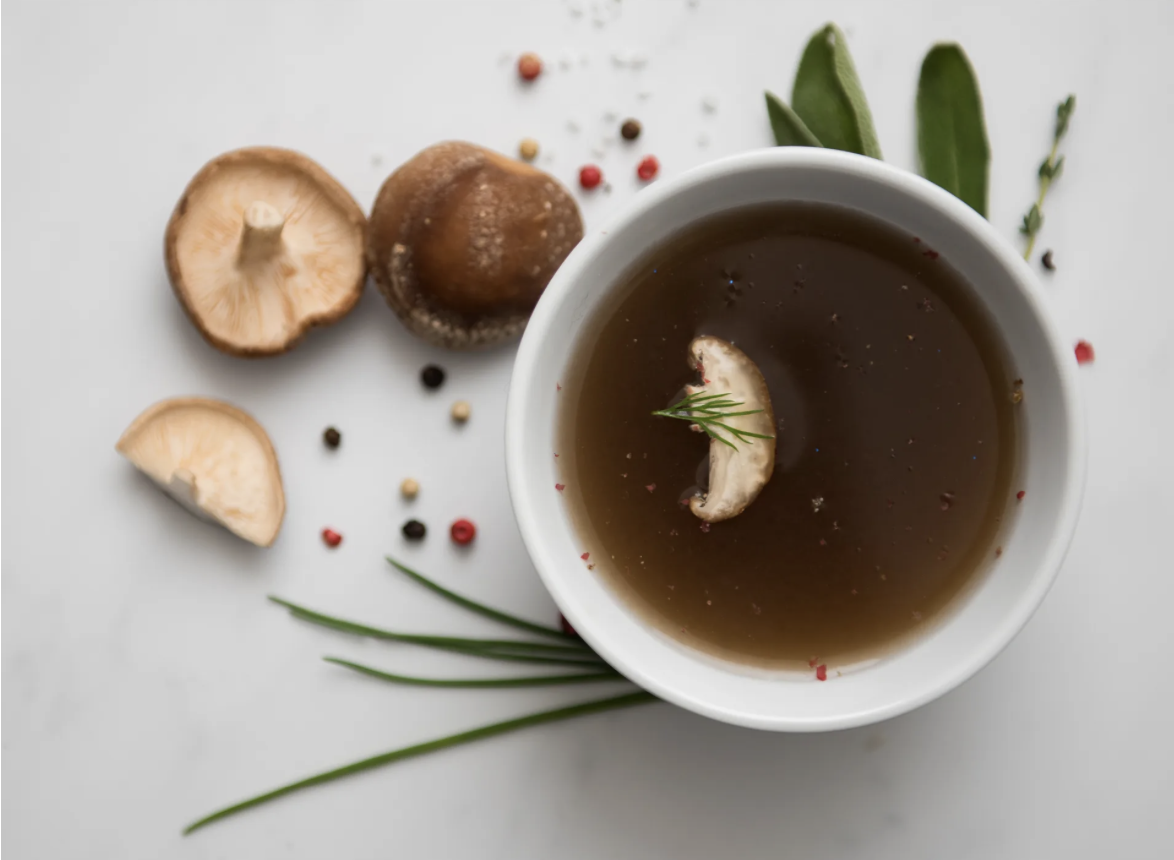
Here’s what’s allowed: water, seltzer, herbal tea, black coffee (regular or decaf), mushroom and lemongrass broth. Nothing with calories is permitted. That means no bone, chicken, or beef broth. I also skipped my hair supplements, creatine, and essential aminos.
It’s also recommended to avoid diet or zero-calorie drinks. They’re entirely chemicals, and part of the point here is to give your body a chance to be chemical-free.
The Where
I was in Europe when I did this, which made things tricky. It was the opening night of a play that my husband produced in London (it’s called High Noon), and a lot of friends were in town to celebrate. That meant a lot of delicious restaurant meals…except for yours truly.
This was a huge test! As we sat down at a great Chinese restaurant, and the dumplings and kung pao chicken were placed inches away, I confess I had to avert my eyes and count to ten. I ordered straight broth and leaned into my conversationalist skills. The distraction and commitment worked, miraculously. The pride I felt after not caving was incredible!
The When
There’s no right or wrong time to start a fast. The clock starts when the clock starts. We made it 32 hours, and honestly, we could’ve pushed to 36. It felt more like a mental challenge than a physical one.
How Does Fasting Work?
After 18 hours without food, the body shifts into a fasting mode. This triggers autophagy, a cellular “clean up” process where damaged cells are broken down and recycled.
- Zoom In: Japanese cell biologist Yoshinori Ohsumi won the Nobel Prize for discovering how autophagy works. His research revealed that it’s crucial for survival, immunity, and fighting conditions like cancer, Parkinson’s, Alzheimer’s, and aging.
Put simply: When your body doesn’t have to devote most of its energy to digesting food, it can focus on recycling old or dysfunctional organelles, renewing mitochondria, and giving its engines a breather.
Autophagy can also be stimulated through 900-calorie-a-day diets (pioneered by the likes of Henri Chenot of The Chenot Method), as well as exercise.
The Results
I was NOT hungry. Nor was I lethargic. In fact, I felt a mental and physical surge of energy and got much less sleep than usual. My heart rate variability (tracked on my Oura Ring) shot up to the highest it’s ever been!
Heart rate variability (HRV) is an important metric as it indicates nervous system resilience; the higher the better. My average hovers around 30-35. But during my fast? It hit 67!
I felt lighter and not bloated. My skin looked brighter and more hydrated. But above all, I was proud that I’d tested this out and intrigued by what I experienced.
However, this is where I need to say the quiet part out loud. Broth fasts are not a wellness flex. While they can be useful for some people, they’re absolutely not for everyone.
Who It’s Not For
Here’s who should not be doing it, or at the very least, not without medical supervision.
1) Anyone with a history of eating disorders.
Full stop. Even if it was years ago. Even if you feel “recovered.” Extended fasting can re-ignite restrictive patterns and obsessive thinking. That risk alone outweighs any theoretical metabolic benefit.
2) People with diabetes or blood sugar instability.
This includes type 1 diabetes, insulin-treated type 2 diabetes, and anyone with frequent hypoglycemia. A 30-hour fast can cause potentially dangerous drops in blood glucose, especially overnight.
3) Pregnant or breastfeeding women.
Caloric restriction and prolonged fasting can compromise nutrient delivery and milk production. This is not the season for metabolic stress.
4) Underweight individuals or those with low muscle mass.
If you’re already in a calorie deficit, a prolonged fast is not advised. While data has shown that there is NOT a loss of muscle mass with prolonged fasting (it’s actually preserved), people do lose a few pounds on these fasts. That weight usually comes back quickly with re-feeding.
5) People with adrenal insufficiency or significant thyroid disease.
Fasting puts stress on your body. If your stress-response system is already fragile, fasting may make you feel awful (and it’ll take longer to recover).
6) Those on certain medications.
Blood pressure meds, blood thinners, mood stabilizers, seizure medications, and some psychiatric drugs all require consistent intake and stable electrolytes. Broth alone may not cut it.
7) Anyone who cannot tolerate electrolyte shifts.
Even with broth, your sodium, potassium, and fluid levels can swing fast. If you've ever fainted, had heart palpitations, or felt lightheaded when you’ve missed meals, fasting might not be for you.
And remember: fasting should never be done out of guilt, punishment, or the belief that “thinner equals healthier.” The goal isn’t to restrict ourselves. It’s to feel stronger, both mentally and physically, and respect and be aware of our bodies.