Wellness Tips
Is It Healthy To Get Your Hair Colored?
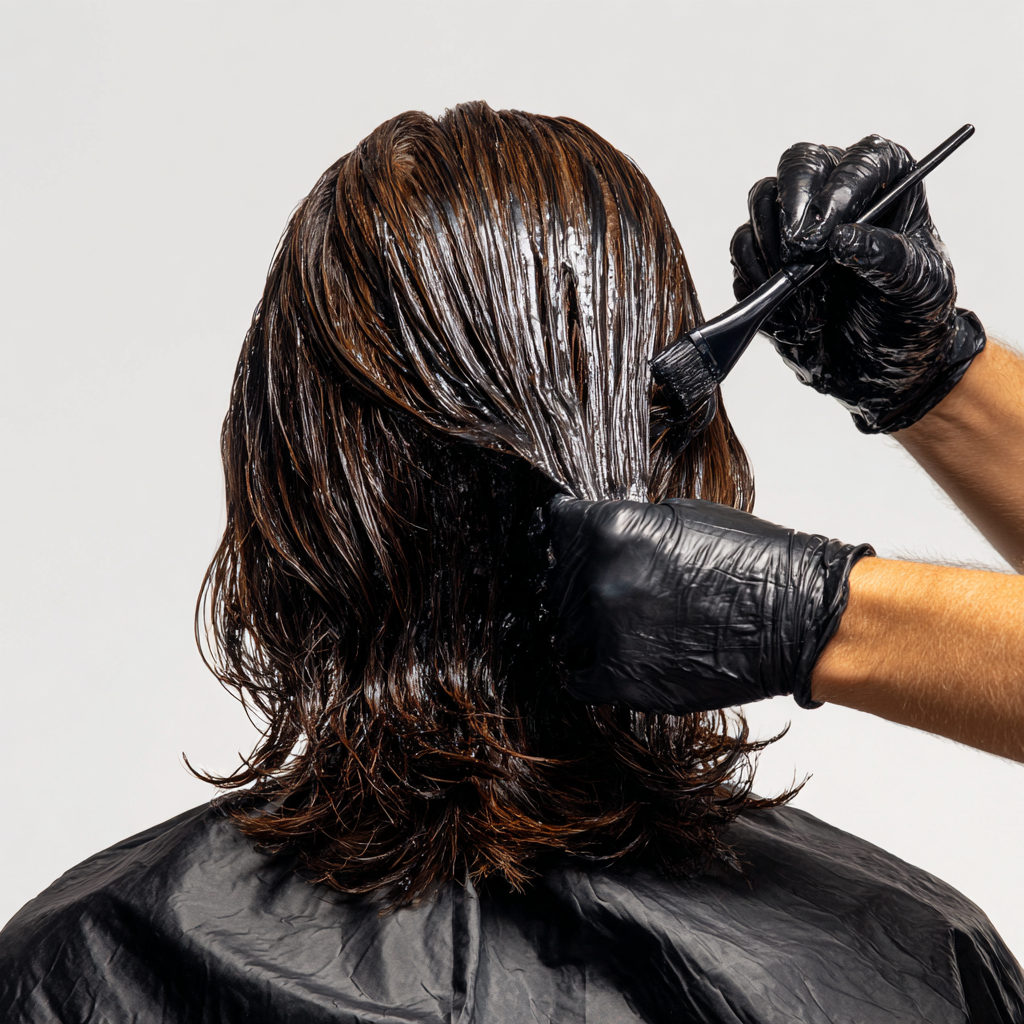
Hair color is a routine part of life for many women, but few of us stop to consider what the dye is actually doing to our hair and scalp. While permanent color can effectively cover gray and create lasting results, it also carries the greatest potential for structural damage and scalp irritation. Understanding the differences between permanent, semi-permanent, and temporary dyes can help you make informed choices about your hair health as you age.
What Hair Dye Actually Does to Your Hair and Scalp
Most of us (myself included) have been coloring our hair for decades without thinking much about what the chemistry is actually doing. That’s not a criticism. When something works, you use it. But I get asked about this constantly, especially by women who are noticing more breakage, scalp sensitivity, or just want to understand what they are putting on their heads every six weeks or so, so I did some research for you.
The short version: not all hair dye is created equal, and the risks, both to your hair structure and your scalp, are almost entirely concentrated in one category.
The Type of Dye Matters Enormously
Permanent dye, which accounts for roughly 70 to 80 percent of what is sold, is the category that does the most work and the most damage. It has to be. To permanently change your hair color, the chemistry has to open the hair shaft, bleach your natural pigment, and deposit new color molecules deep enough that they cannot wash out. That process, repeated every four to eight weeks for years, takes a structural toll.
Semi-permanent dye partially penetrates the hair but does not use the same oxidative chemistry, lasts about 24 washes, and causes substantially less damage. Temporary color sits on the surface of the hair and washes out within a week or two. Those two categories have a much cleaner safety profile across the board. If you have options, they are worth considering.
What Permanent Dye is Doing To Your Hair Shaft
Even a single application of permanent dye causes visible changes to the cuticle, the outermost protective layer of the hair shaft, detectable under electron microscopy. With three or more consecutive treatments, the damage compounds. The cuticle scales begin to roughen, lift, and eventually erode, leaving the inner cortex of the hair increasingly exposed.
Once the cuticle is compromised, the hydrogen peroxide in the dye penetrates deeper and begins breaking down the disulfide bonds that give hair its tensile strength and elasticity. This is why repeatedly colored hair feels different over time and breaks more easily. It is not imaginary, and it is not just dryness. It is cumulative structural degradation at the protein level.
One finding worth knowing: research using atomic force microscopy shows that after a single permanent dye application, cuticle damage peaks at around six hours to one day, then gradually recovers, with near-complete restoration by about eight weeks. That is meaningful if you are trying to calibrate how frequently you can color without significant cumulative harm.
What It’s Doing To Your Scalp
The most common scalp reaction is allergic contact dermatitis, and the main culprit is a compound called PPD (p-phenylenediamine), which is present in most permanent dark dyes. About 6.8 percent of hair dye users report adverse skin reactions, with women and frequent users being more affected. Most reactions are on the milder end, itching, eczema, scalp irritation, but severe cases do occur, and repeated sensitization can escalate over time. If you have noticed your scalp becoming more reactive to dye as you have gotten older, that pattern is real and documented.
The Cancer Question
This is where I want to be honest about what the science actually shows, without either dismissing it or overstating it.
For blood cancers like lymphoma, a large meta-analysis published in JAMA found a pooled 15 percent higher risk among ever-users of permanent hair dye. That sounds alarming in isolation, but 15 percent above a baseline low risk is a relatively modest absolute increase. The risk appears higher with dark-colored permanent dyes and with formulations used before 1980, when the chemical composition was considerably more carcinogenic than what is on the market today.
For breast cancer, the data are more nuanced and more concerning, specifically for Black women, with one major study finding a 45 percent higher risk in that group compared to 7 percent in White women, a disparity that warrants more research and more attention than it has gotten.
Semi-permanent and temporary dyes have not been associated with increased cancer risk in most analyses, which is consistent with the fact that they do not use the oxidative chemistry that drives the concern.
The Practical Takeaway
This is not an argument for stopping hair color. For most women, the absolute risks remain relatively low, and the evidence is not definitive enough to issue a clinical directive. What it is an argument for: spacing out permanent color treatments as much as your schedule allows, taking scalp reactions seriously rather than pushing through them, and knowing that semi-permanent options have a meaningfully different risk profile if you have flexibility in your routine.
You deserve the real information. What you do with it is yours to decide. Personally, I still get my hair highlighted every 10-12 weeks, and I plan to continue that.