Fitness Guides
Walking is Wonderful. But Let's Be Honest About What it is... and isn't.
Walking is one of the best things you can do for longevity, mental health, and metabolic wellness, but for women over 50, it cannot be the entire fitness plan. Dr. Jen breaks down the difference between activity and true exercise, and why strength training and cardiovascular intensity matter more than ever in midlife.

This might irritate some of you, and I want you to hear me out before you decide I'm being dismissive: I don't consider walking exercise, I consider it activity.
Before you come for me, let me be clear about what I'm not saying. I'm not saying walking doesn't count. I'm not saying it isn't beneficial. The data on walking is enormous and overwhelmingly positive. A 2022 meta-analysis in JAMA Internal Medicine (Paluch et al.) involving nearly 47,500 adults found that higher daily step counts were significantly associated with lower all-cause mortality, with the biggest reduction in risk occurring between 6,000 and 8,000 steps per day for adults over 60. A large 2023 study in the European Journal of Preventive Cardiology (Banach et al.) analyzing over 226,000 participants confirmed that even modest increases in daily steps were associated with reduced cardiovascular and all-cause mortality, with benefits beginning at roughly 4,000 steps per day. Walking lowers blood pressure, improves mood, supports metabolic health, aids digestion, and reduces stress. If you are currently sedentary, walking is one of the best things you can do for your body. I will never argue against that.
But here's where I need to draw a line.
Walking at a comfortable pace does not produce progressive overload. It does not generate the mechanical stimulus needed to build or even maintain skeletal muscle mass. It does not reach the intensity thresholds required for meaningful cardiovascular adaptation beyond a baseline. It does not meet the criteria for high-intensity interval training or sprint interval training. For women over 50 who are facing anabolic resistance, declining estrogen, accelerating bone density loss, and increased sarcopenia risk, walking alone is not a sufficient exercise prescription. It is a foundation, not the structure.
The American College of Sports Medicine recommends that older adults perform moderate-to-vigorous aerobic activity (at 64 to 95% of maximum heart rate) plus resistance training targeting all major muscle groups at least twice per week. Walking at a conversational pace typically reaches about 50 to 60% of max heart rate in most adults. That's below the moderate threshold. It's movement. It's valuable. But it's not building the muscle, bone density, or cardiovascular reserve that women in midlife critically need.
The step count debate
You've probably heard 10,000 steps per day cited as a goal. That number has no scientific origin. It came from a 1965 Japanese pedometer marketing campaign. The actual evidence suggests diminishing returns above 7,000 to 8,000 steps per day for mortality benefit in older adults, per the Paluch data. So if you're chasing 10,000 as a magic number, you can let that go. But I'd also challenge the framing entirely. Counting steps measures the volume of low-intensity movement. It tells you nothing about whether you challenged a muscle, elevated your heart rate into a training zone, or loaded your skeleton in a way that stimulates bone remodeling. You can walk 12,000 steps a day and still be losing muscle mass. Those two things are not in conflict.
What I actually recommend
Walk daily. I genuinely mean that. It's one of the best things you can do for your mental health, your metabolic health, and your longevity. But do not let it be the only thing you do, and do not let it substitute for resistance training and higher-intensity cardiovascular work. Think of walking as the floor, not the ceiling. It's the baseline movement your body needs every day, just as hydration and sleep are baseline. But you wouldn't say drinking water is the same as nutrition, and you shouldn't say walking is the same as exercise.
The prescription is clear: walk for your health, lift for your muscles and bones, and push your heart rate into uncomfortable zones two to three times a week for your cardiovascular system. If you love walking, try Japanese Walking, Nordic Walking, or incline walking: all are more strenuous than the ‘walk your dog walking.’
Bottom line: walking is the beginning of the conversation. It was never meant to be the whole answer.
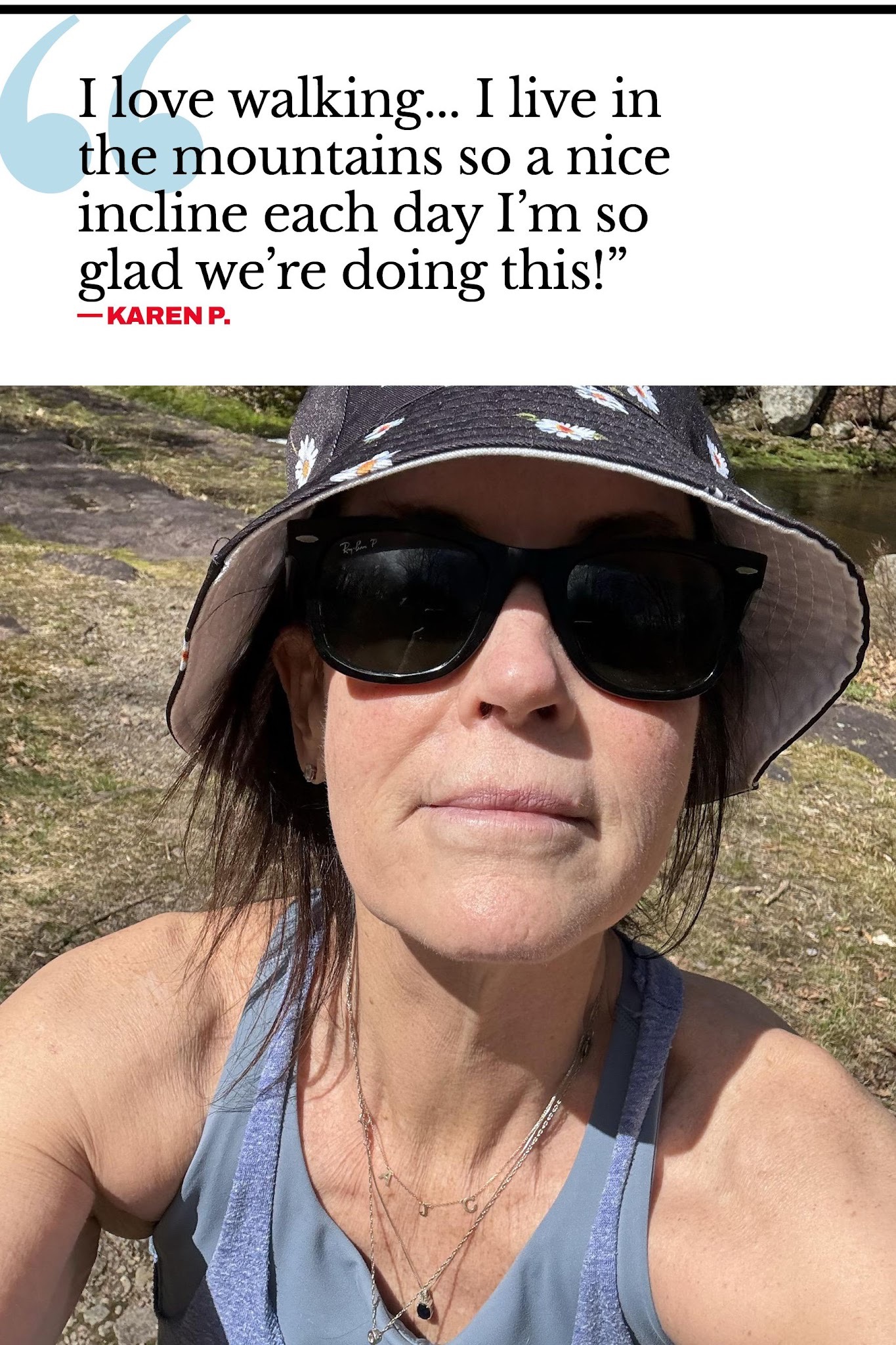
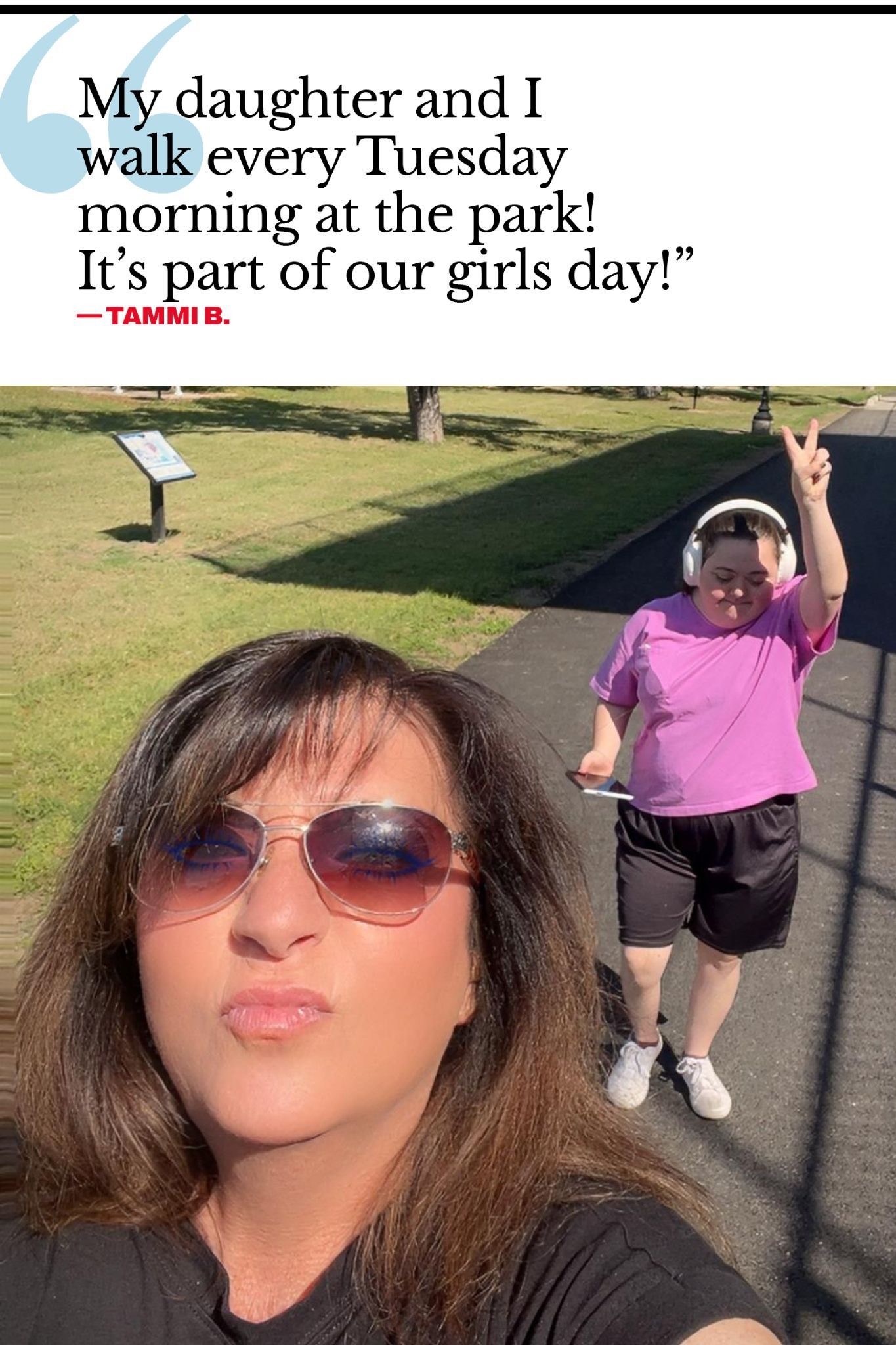
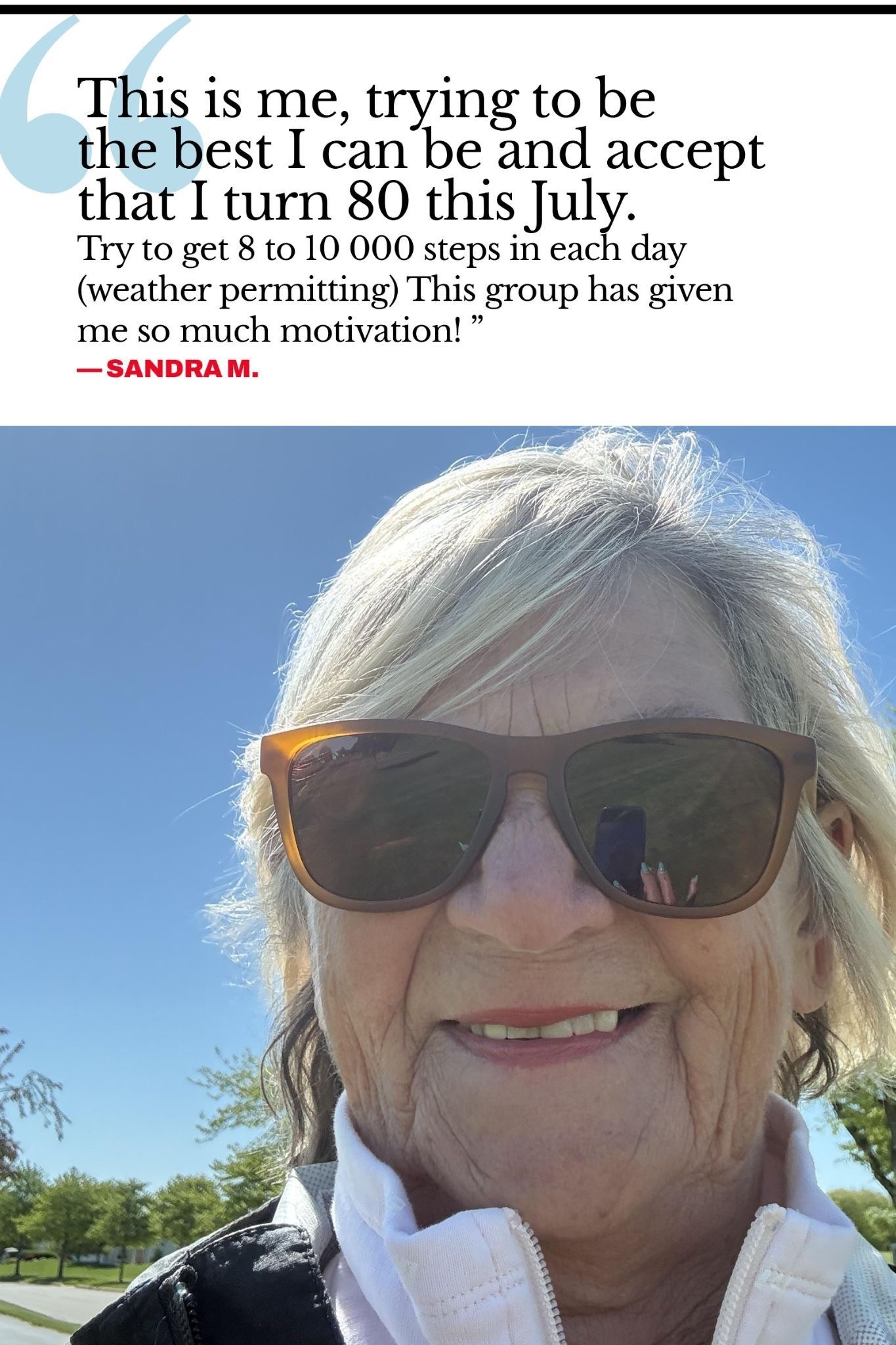
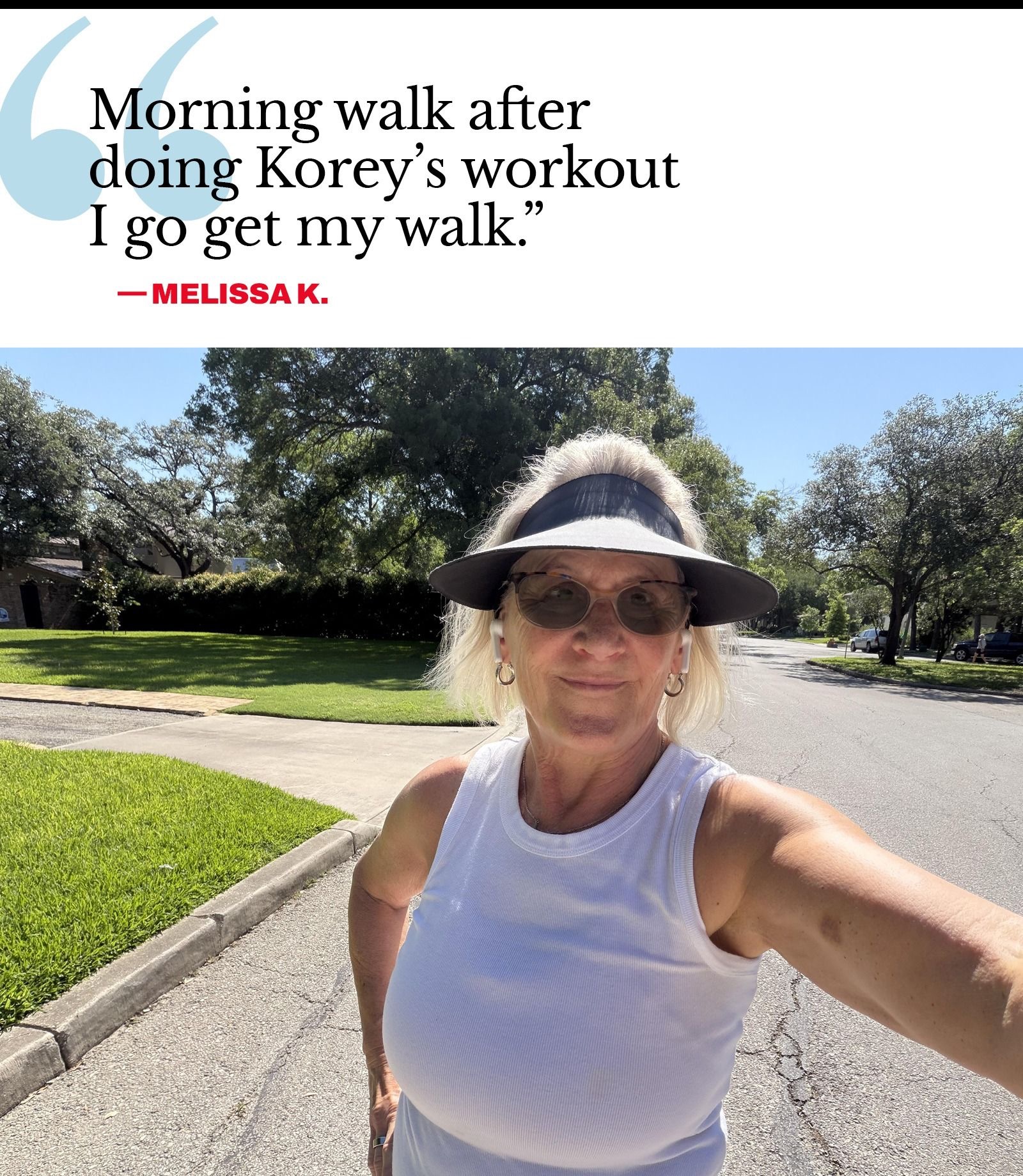
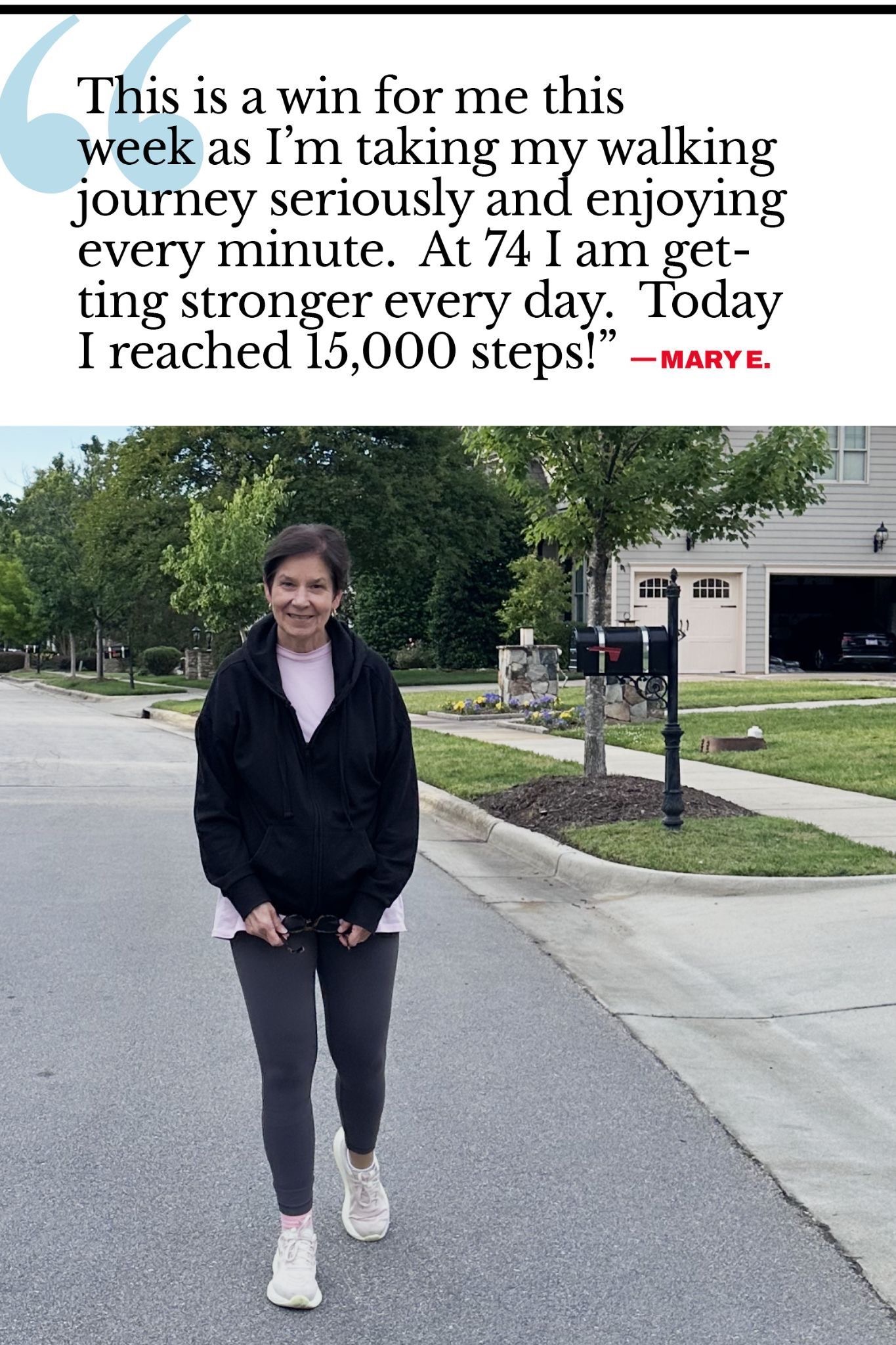
The health enthusiasts we affectionately call “Ajenders” are currently taking part in National Walking Month, doing meetups and posting motivation inside the Wellness Experiment Community!